

Custom Glass Fabrication in Brooklyn, NY
Need glass made to a specific shape or size? Share a drawing, measurements, edge finish, and intended use for a Brooklyn custom glass quote.
Materials & hardware brands
Shape and Finish
Build a clear fabrication brief
The outline is only the start. Share the intended use, edges, cutouts, and support so we can review how the finished glass needs to fit and confirm what can be made.
Define the full shape
Show corners, curves, holes, and notches on a drawing rather than relying on width and height alone.
Choose a measurement method
The project may need direct dimensions, a template, or site measurement; a damaged piece is not always a reliable pattern.
Specify exposed edges
Review edge treatments according to how the glass will be seen, handled, or held by hardware.
Coordinate before cutting
Hardware positions, edge distances, and supporting surfaces need to be established before fabrication.
Custom Glass Fabrication in detail
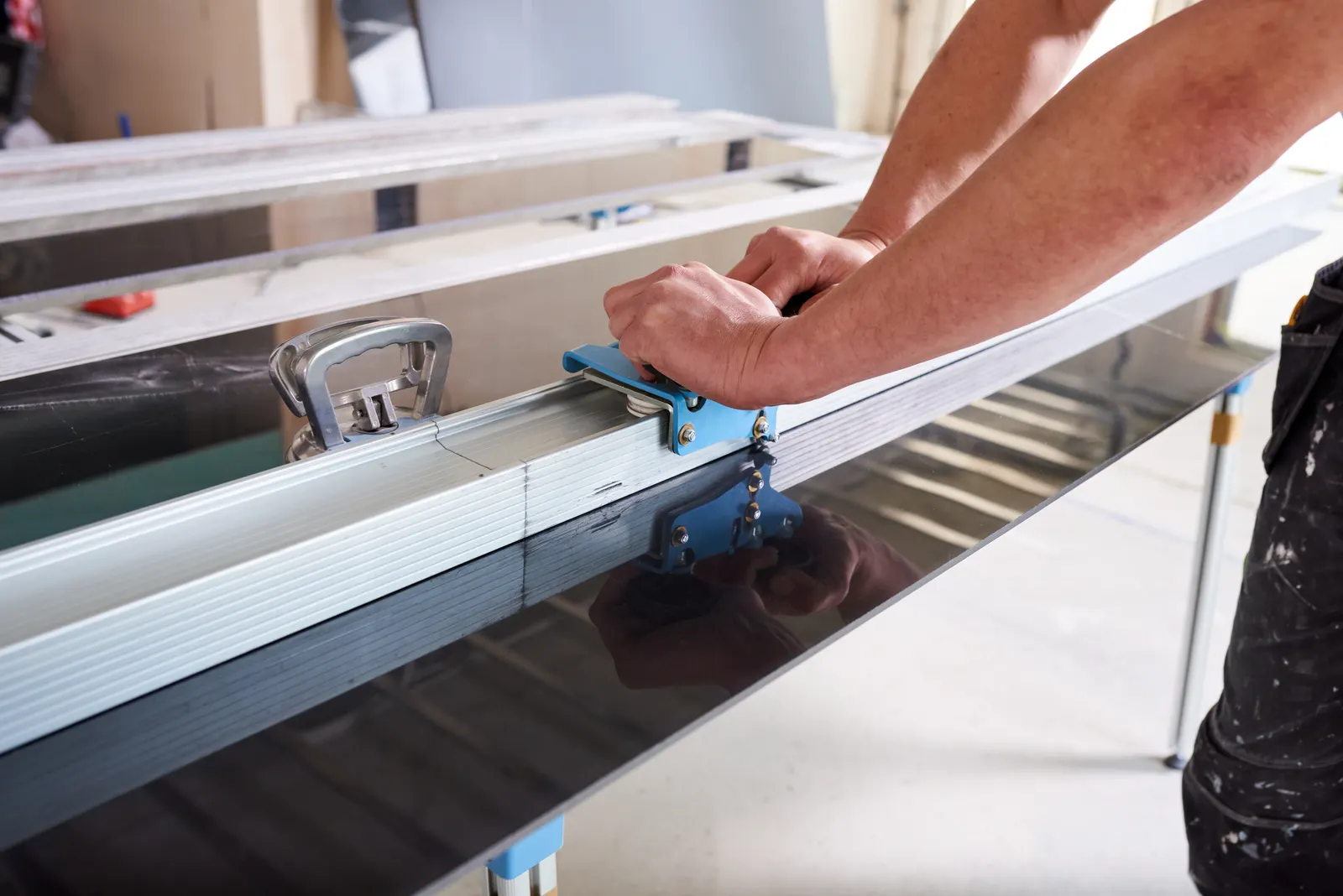
Custom glass fabrication begins with a clear understanding of what the finished piece needs to do. Dimensions alone may not be enough: the shape, edge, support, holes or notches, and installation setting can all affect the specification. Brooklyn customers can send a drawing or photos to start a discussion about a custom glass project.

Details to gather before requesting fabrication
- Finished width, height, and thickness requirements, if known.
- A simple drawing that shows shape, corners, cutouts, and holes.
- Whether the piece will be fixed in place, supported, or moved.
- The surface or hardware the glass will meet.
- Whether the old piece is being replaced and why.
We can confirm whether the dimensions should come from a site measurement or template. A paper pattern is not appropriate for every piece, especially if the fit depends on a curved or irregular opening. Before cutting, the intended use and edge treatment should be reviewed together.
Edge finish and safety
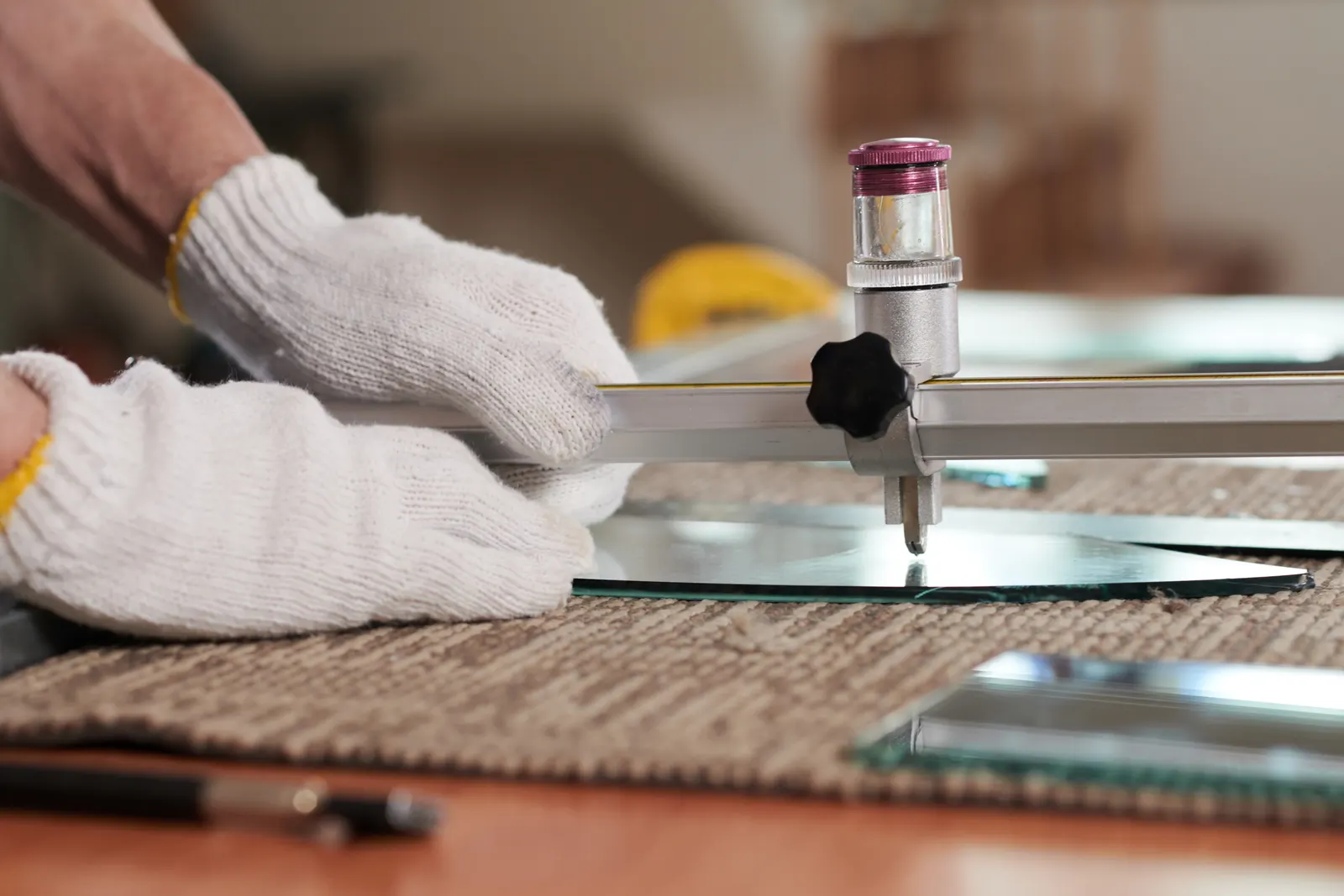
Polished, seamed, or other edge treatments change the look and handling of the finished glass. The right option depends on whether the edge will be exposed, captured by hardware, or placed against another material. The glass type and safety specification also depend on its location and use; do not choose a specification from a generic online chart.
For examples of common applications, visit our custom glass hub, glass tabletops, and glass shelves. We will confirm service fit and the information needed for a quote before work is scheduled.
Describe the finished fit, not just the outline
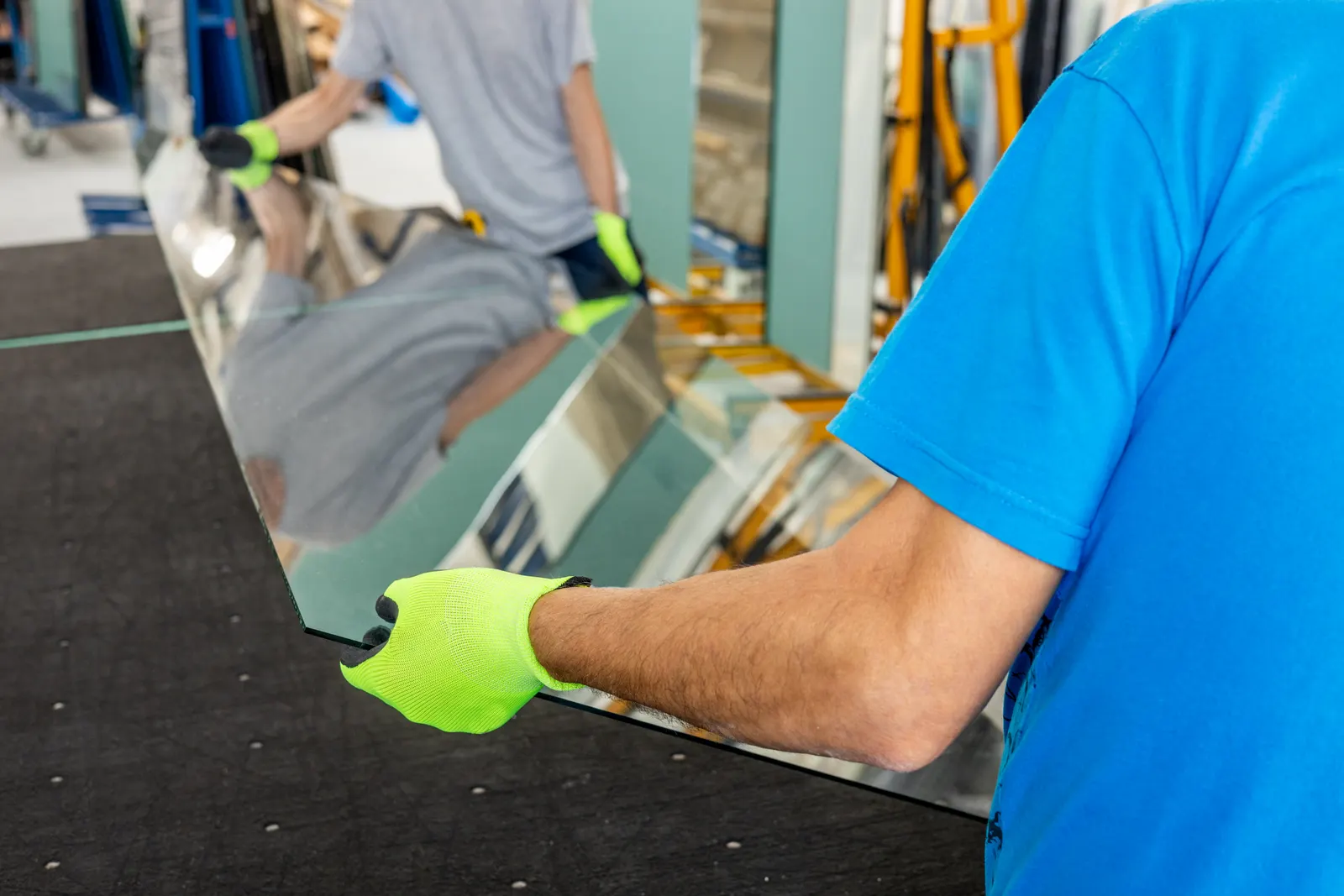
A fabrication drawing should explain where the glass belongs and which surfaces it will meet. Label the viewing side, exposed edges, and any corners that need a particular appearance. For a furniture insert, show the surrounding frame as well as the glass outline; for a shelf, show the supports. Approximate dimensions can start a discussion, but they should be clearly marked as preliminary. A Brooklyn homeowner working with a cabinetmaker or designer can share that person's drawing so everyone is discussing the same finished piece. Ask who will confirm the final dimensions before the order is approved.
Coordinate hardware before approving the drawing
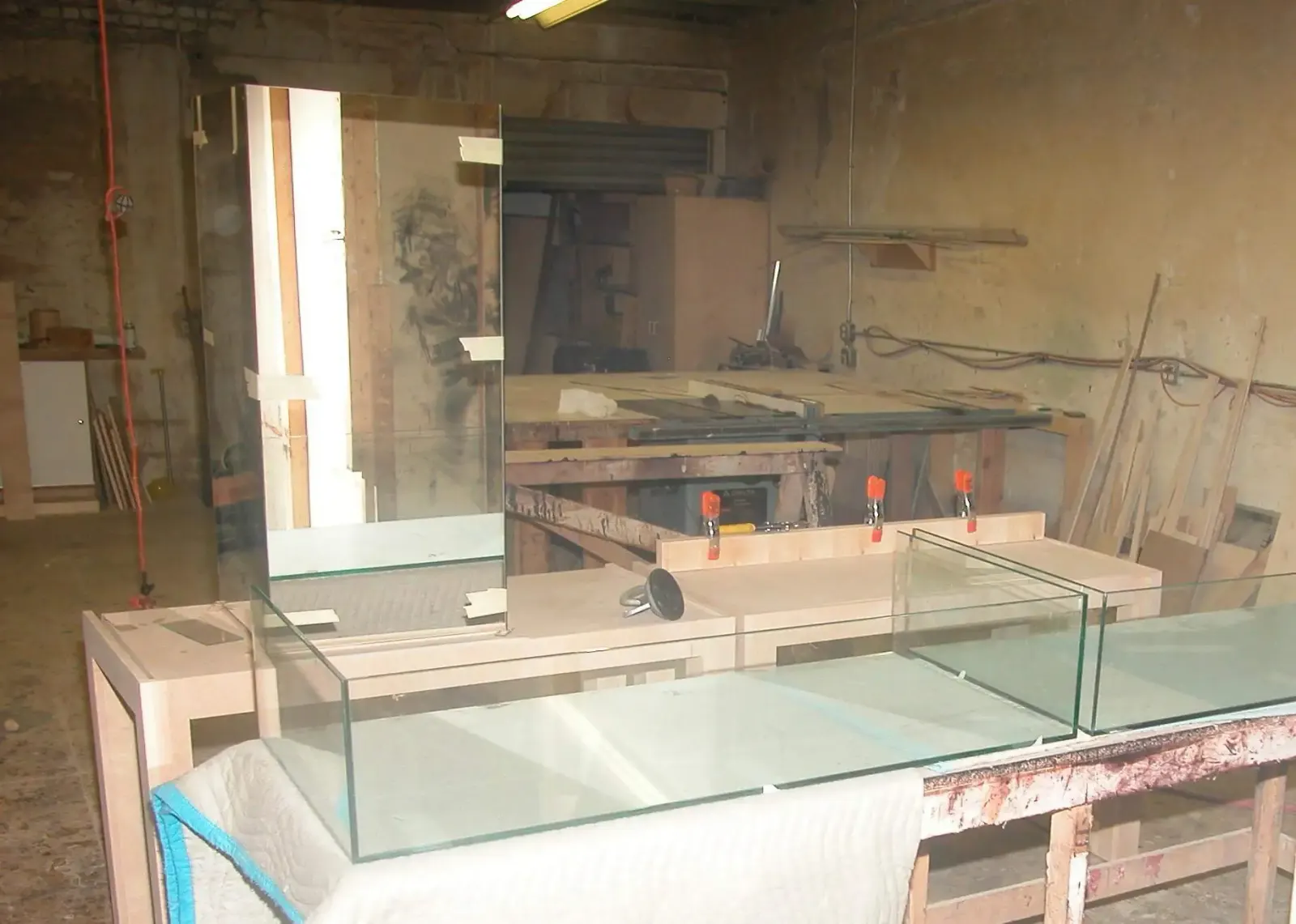
Holes and notches need to match the actual hardware, not a similar item shown online. Share the product details or drawing for any fittings that interact with the glass, including the intended support arrangement. If the hardware has not been selected, say so rather than treating a guessed opening as final. The installer should assess the glass specification and whether the proposed detail is suitable for its use. Review revisions together so a change in bracket, handle, or surrounding joinery does not leave an outdated drawing in circulation. This is coordination for an order, not a guide to cutting glass yourself.

Confirm handling and installation responsibilities
A made-to-size piece still needs a practical route to its final position. Describe stairs, elevators, narrow hallways, and the room where installation will take place, especially for a large panel or awkward shape. Ask whether the proposal covers fabrication alone or also measurement, delivery, and installation. If another trade will fit the glass, confirm what information that installer needs and who signs off the fit. Keep the approved drawing and finish selection together for reference. Before accepting a finished piece, discuss its exposed edges, intended orientation, and care instructions with the person responsible for installing it.
What to share with your inquiry
- The intended use and approximate glass dimensions.
- Photos of the existing piece, opening, or supporting surface.
- Any shapes, cutouts, edge finishes, or access constraints to discuss.
Custom Glass Fabrication FAQ
Custom fabrication questions
Explore the options, price factors, and next steps for your Brooklyn project. For advice about your own space, .
Can you make a template from an existing glass piece?
A drawing or the old piece can help explain the shape, but a damaged item may not be a reliable pattern. We review the project and determine whether a direct measurement, template, or new site measurement is needed.
Can glass have holes or notches cut into it?
Some pieces can be fabricated with cutouts, but their size and position must be specified before fabrication. The intended hardware and edge distances matter, so provide a drawing and details about how the glass will be supported.
What affects a custom fabrication quote?
Dimensions, shape, glass specification, edges, holes, notches, and measurement or installation work affect the scope. Send the drawing and intended use so we can confirm feasibility before pricing the piece.
Are approximate dimensions enough to start?
They help explain the request but are not automatically suitable for fabrication. We will confirm whether final site dimensions or a template are needed, especially for curved or irregular openings.
How should I choose the glass and edge finish?
Tell us where the glass will be used, how it will be supported, and which edges will be exposed. Material, safety specification, and edge treatment should be reviewed together for the application rather than chosen from a generic chart.
Can I enquire about fabrication for a Brooklyn renovation?
Send your drawing, photos, and the status of surrounding construction. Identify the contractor handling the opening or supports. We will review service fit and confirm the information needed before work is scheduled. The custom glass hub explains related applications.
Your Custom Glass Fabrication project
Get a Free Consultation
Free quotes · Est. 1987
Tell us about your shower doors, glass, or mirror project. Share a few details and we’ll help you work through the next steps.
Request a free quote
Tell us about the space, dimensions, and service you need.