

Mirror Re-Silvering in Brooklyn, NY
Black spots or dark edges on a mirror? Learn what re-silvering involves, when replacement makes more sense, and how to request a Brooklyn assessment.
Materials & hardware brands
Restoration Assessment
Review the backing before restoring
Dark spots and edge discoloration may come from the reflective backing. Share the mirror condition and mounting details so we can confirm whether it can be assessed for re-silvering and discuss the next step.
Locate backing damage
Photos of dark spots, cloudy areas, and edges help explain the condition.
Check the glass itself
Cracks and front-surface scratches are separate damage that renewed backing will not correct.
Review removal conditions
Size, mounting, and handling requirements affect whether restoration is practical.
Compare the alternatives
Keeping an existing shape may matter; a changed size or finish may favor replacement.
Mirror Re-Silvering in detail
Mirror re-silvering is a restoration process that renews the reflective backing on suitable mirror glass. It is not the same as polishing a surface scratch or repairing a crack through the glass. If your mirror has dark spots or discoloration near its edges, an assessment can help determine whether restoration is possible.
Mirrors · Glass · Shower Doors
Explore more services.
 Custom MirrorsOrder a mirror to fit.
 Mirror InstallationPlan secure mirror mounting.
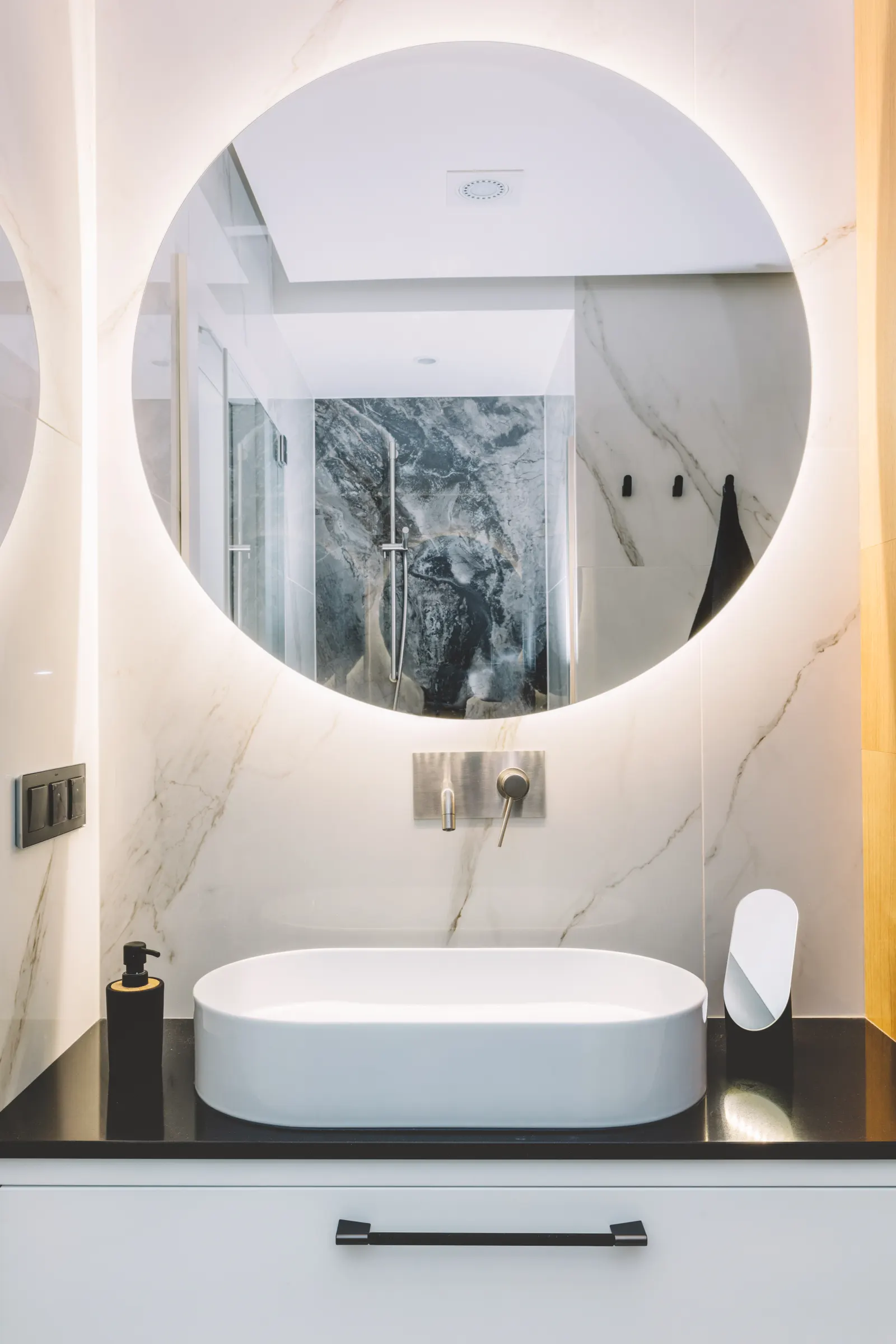 Mirror RepairAsk us to assess the damage.
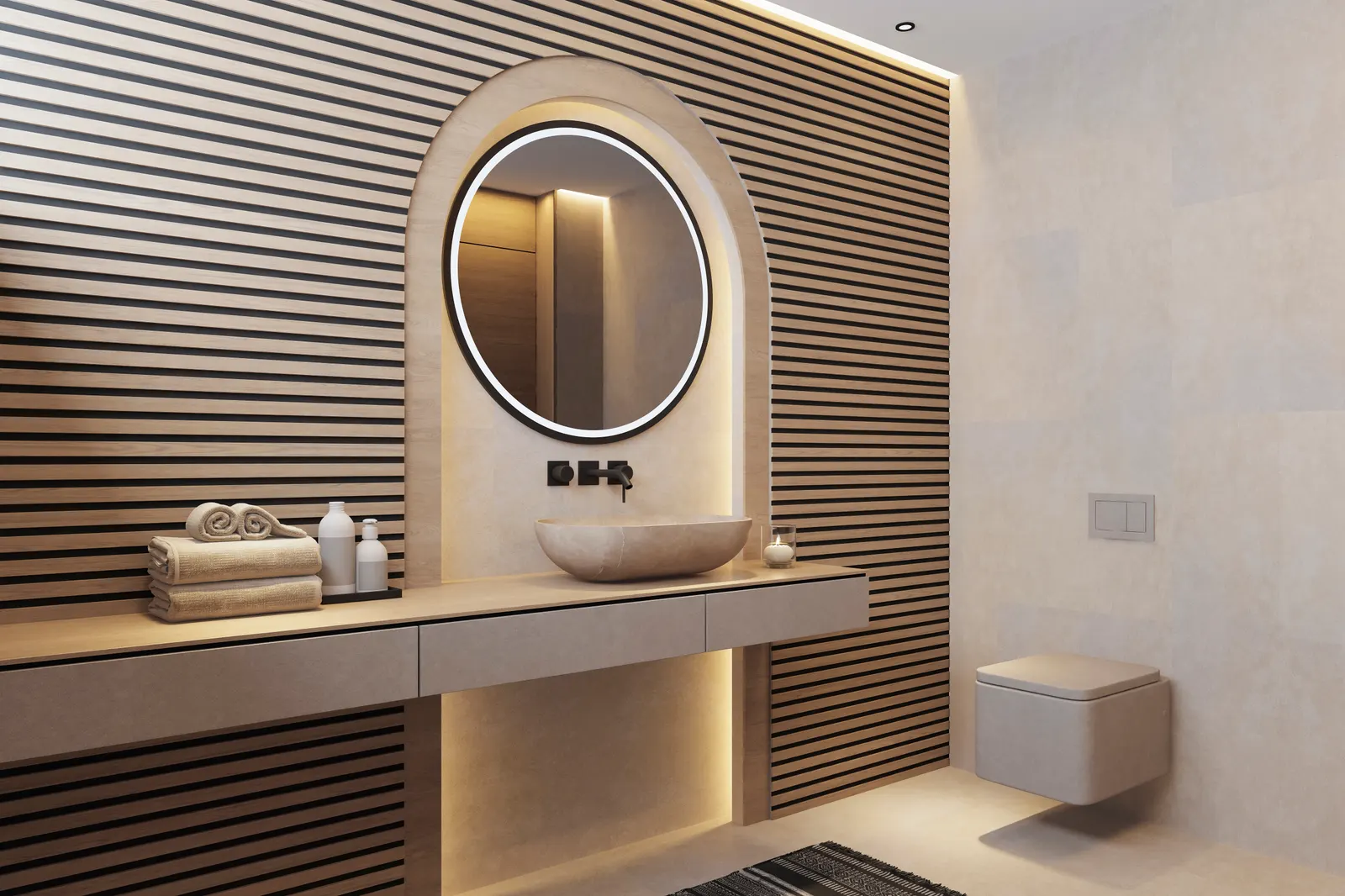 Mirror ReplacementRefresh an existing mirror.
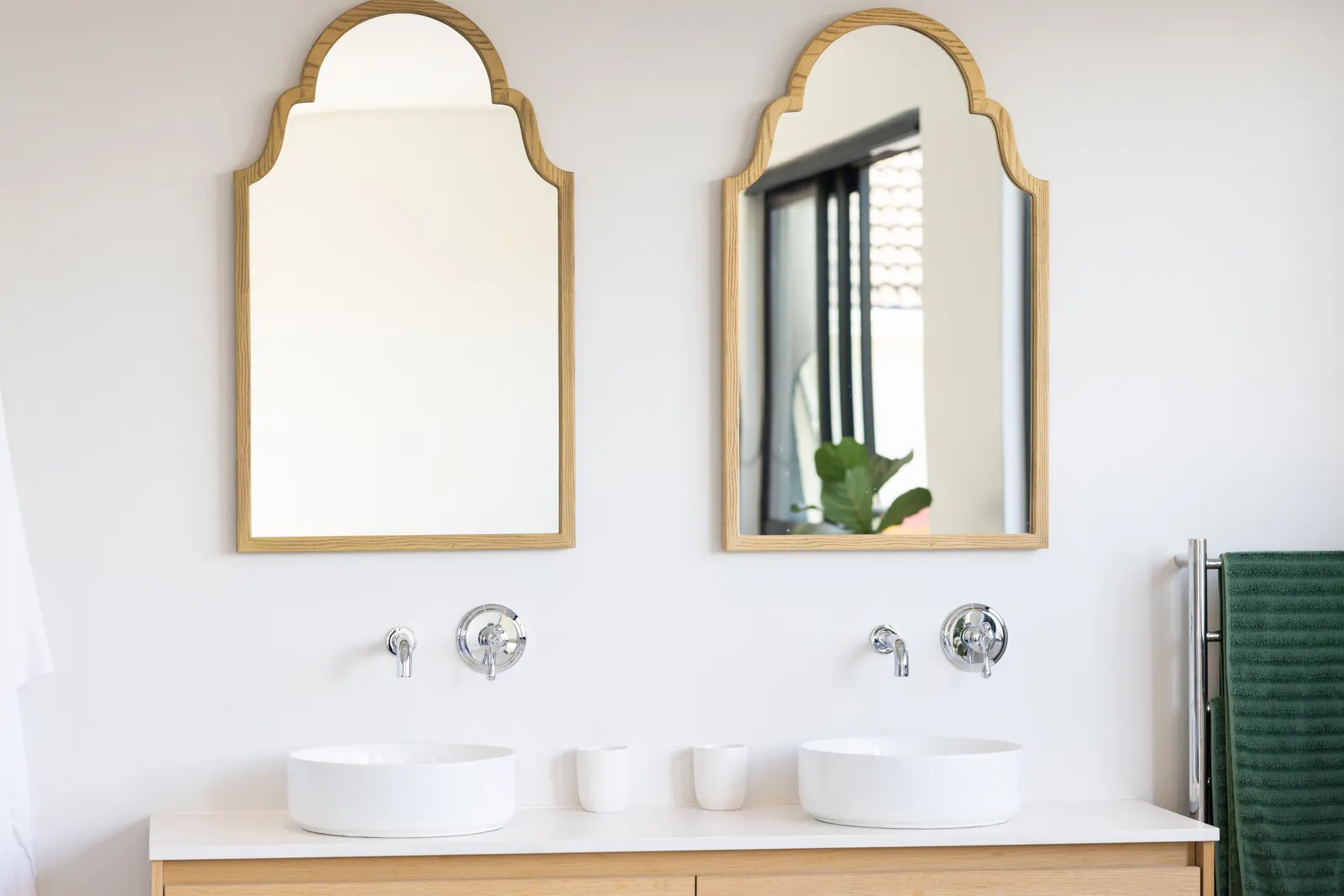
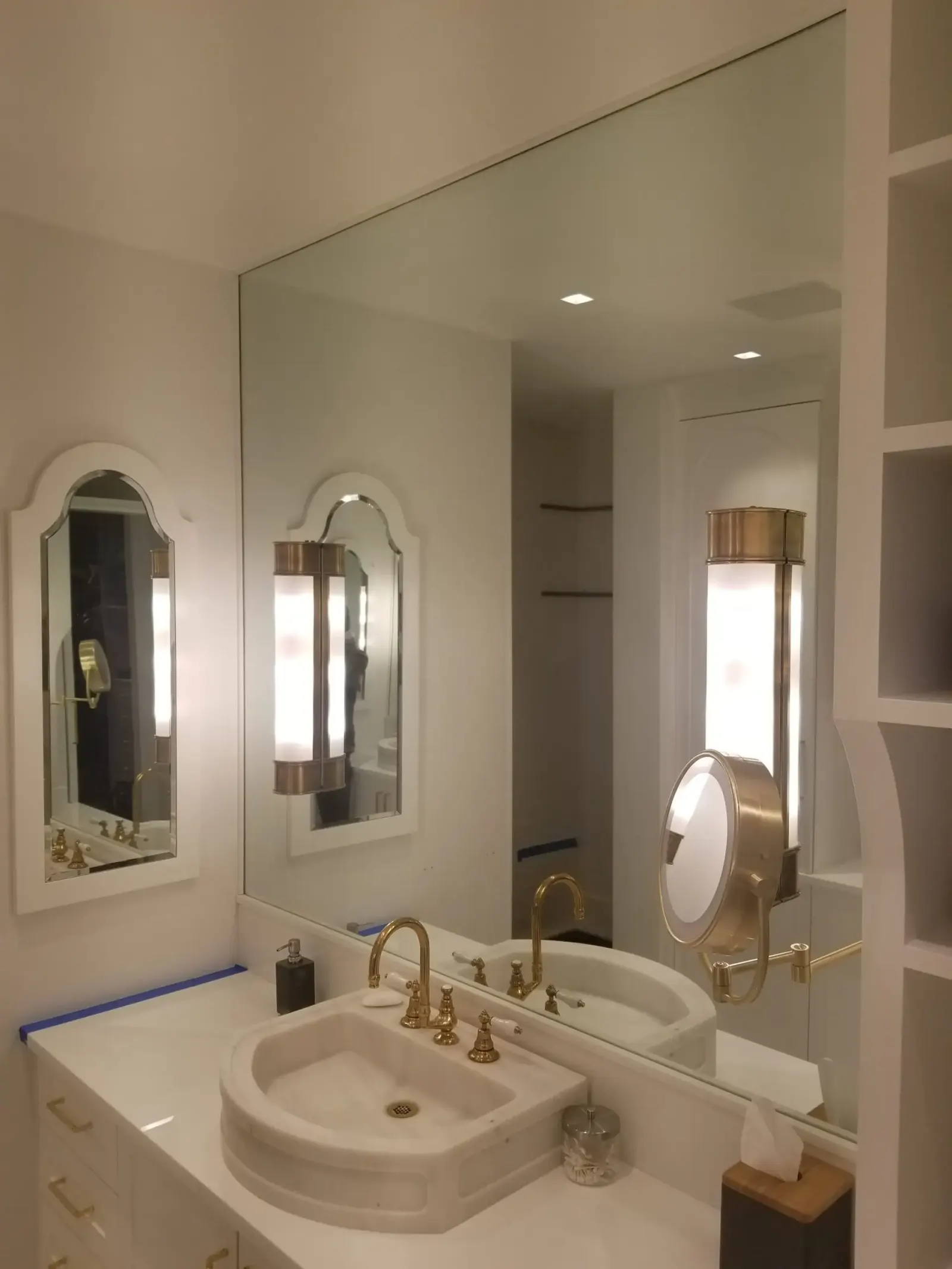 Bathroom & Vanity MirrorsFinish your bathroom.
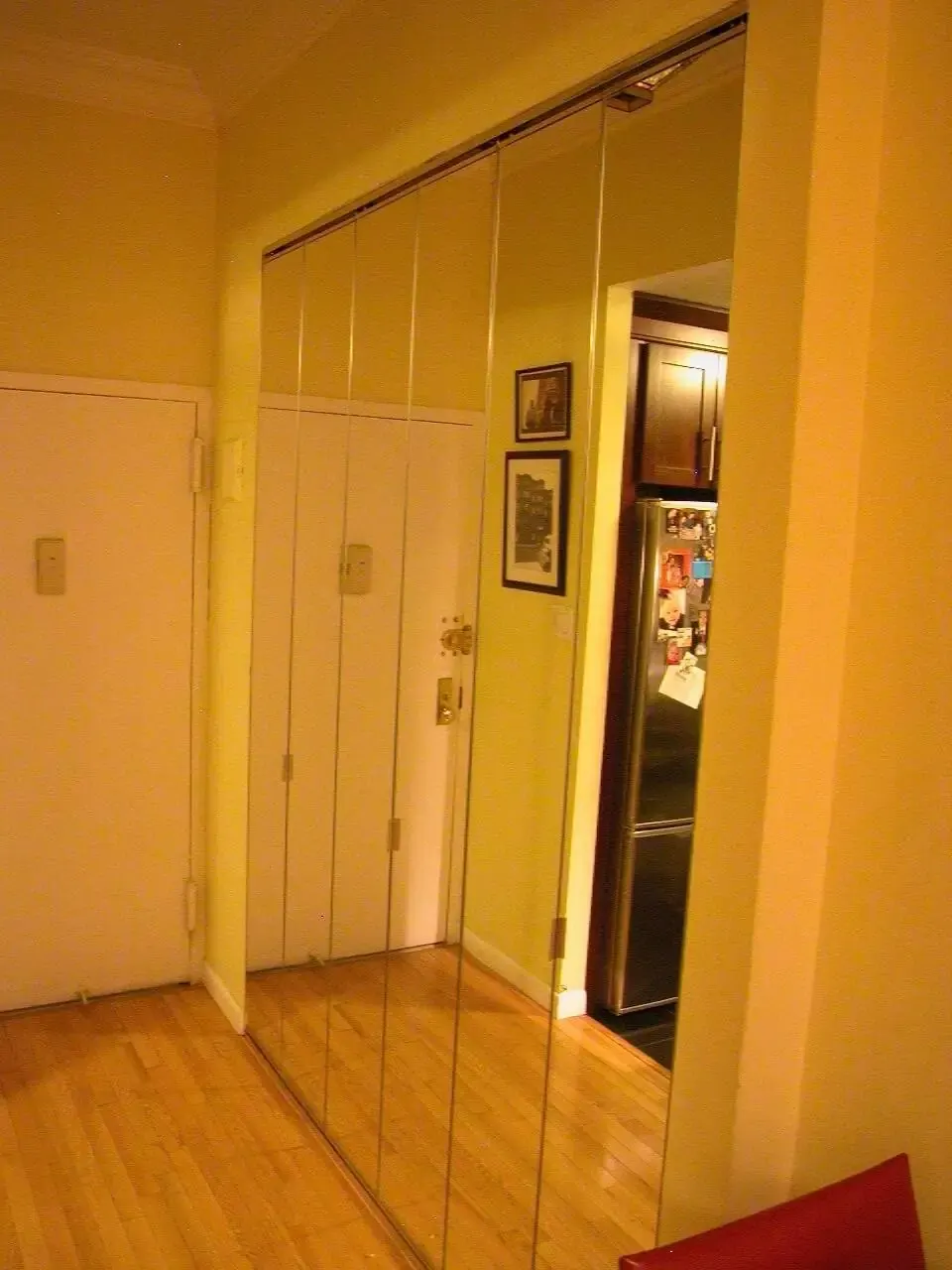 Mirrored Closet DoorsAdd reflection to your closet.
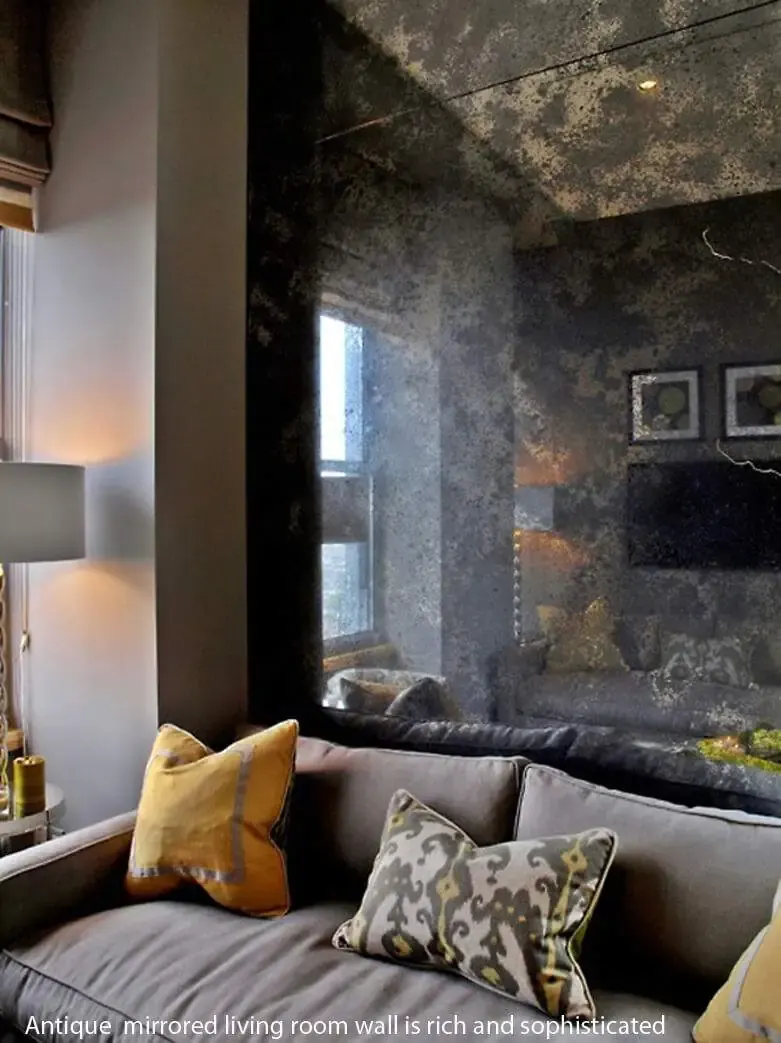 Antique MirrorsExplore an antique finish.
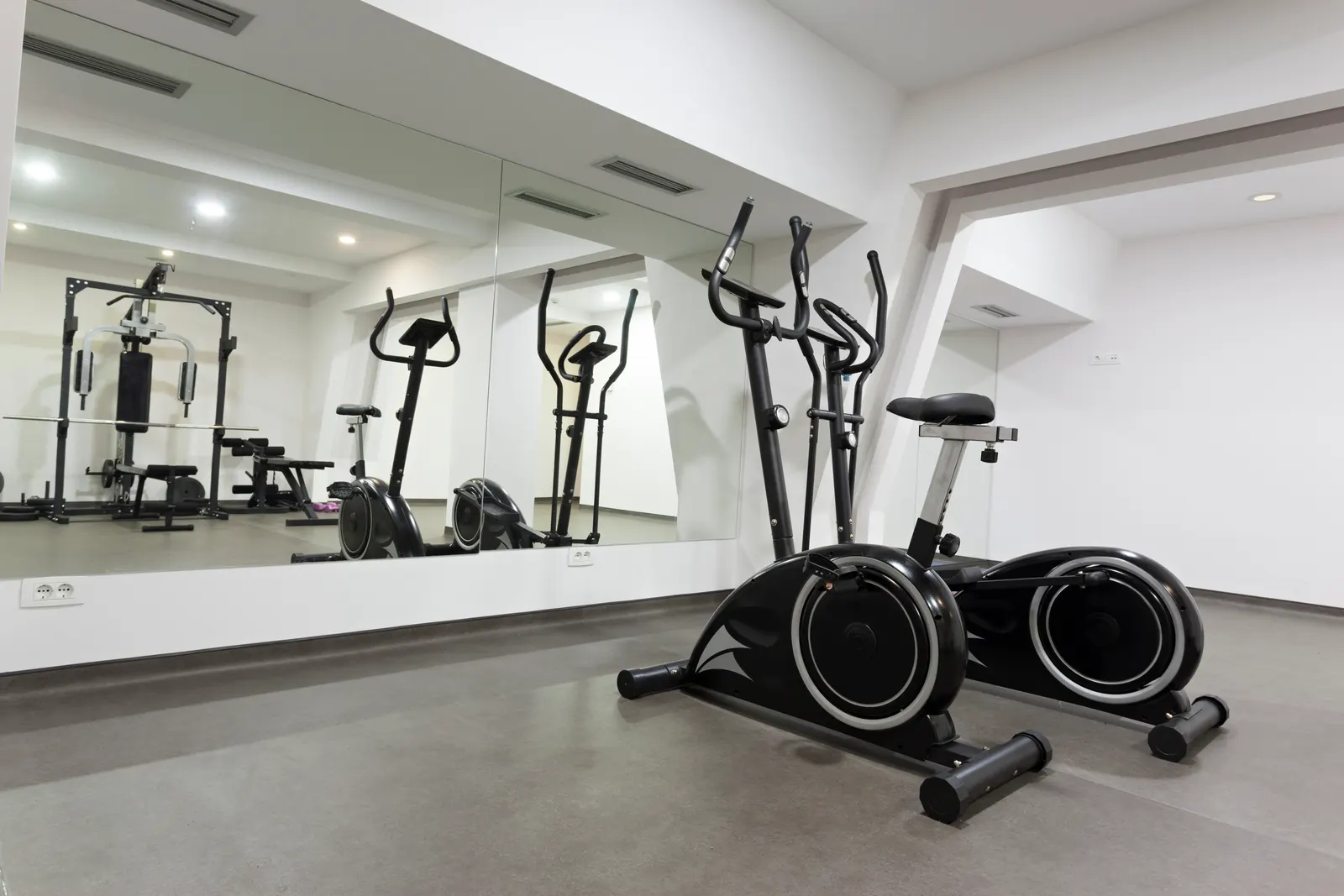 Gym MirrorsPlan your workout wall.
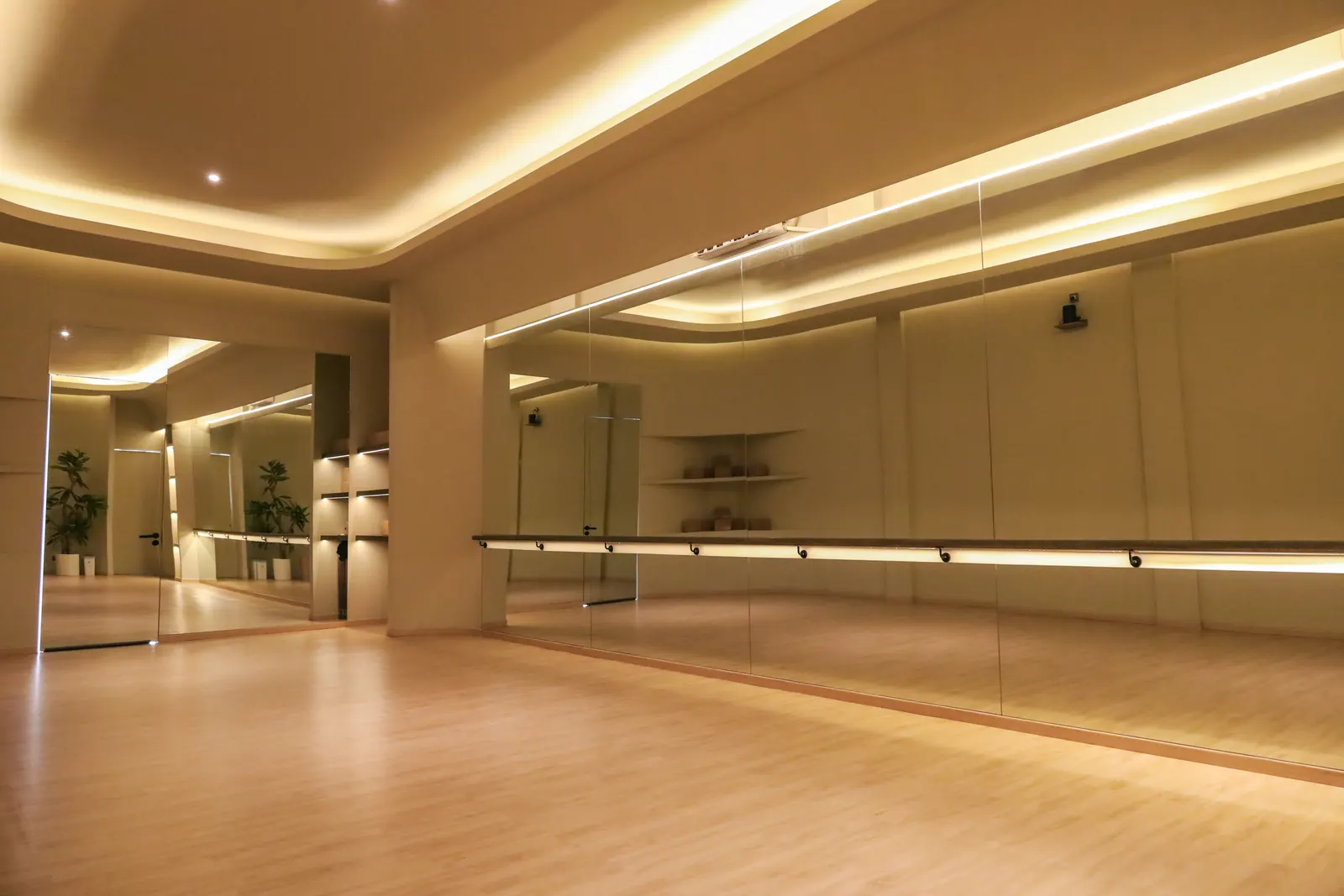 Dance-Studio MirrorsDesign your studio mirror wall.
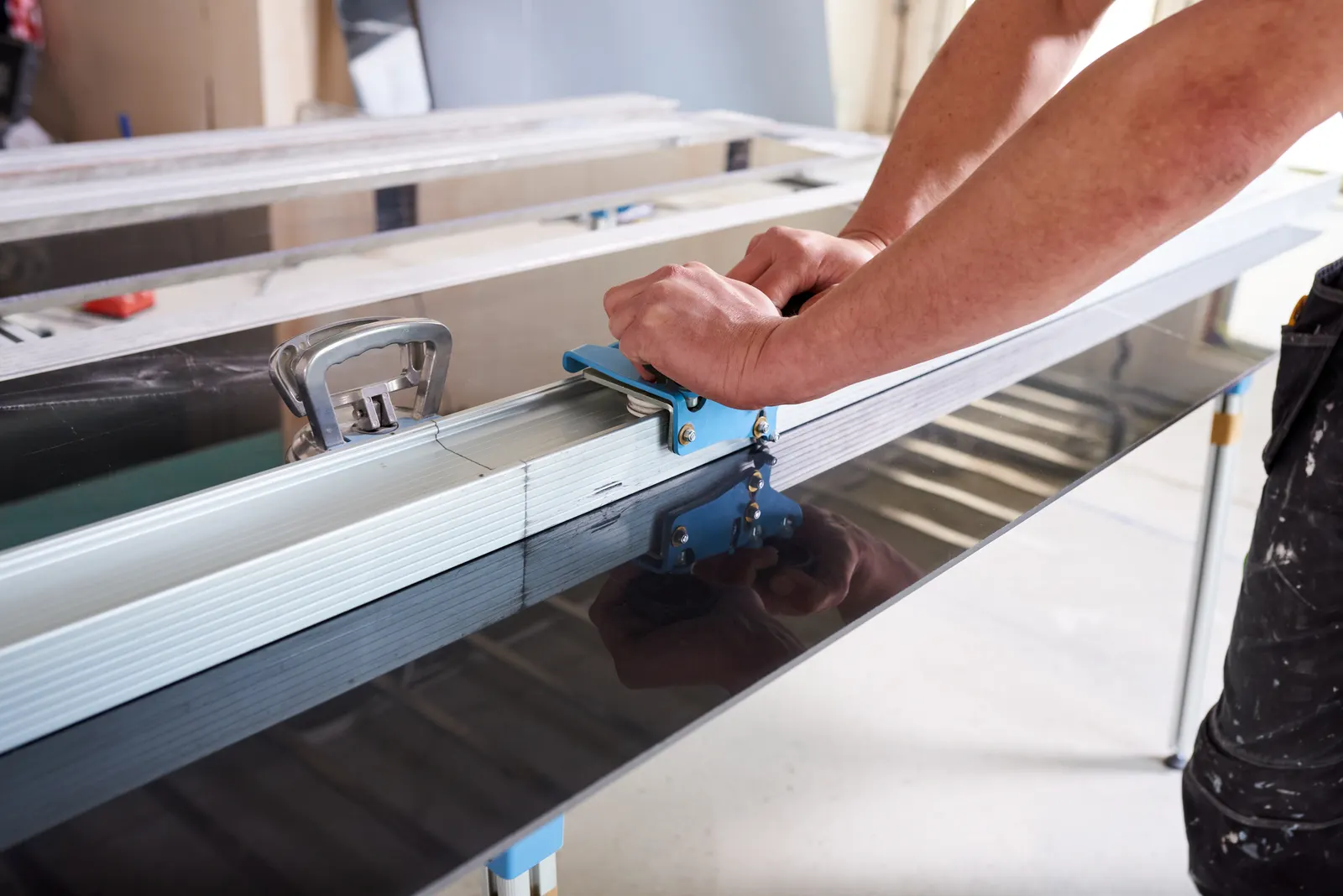 Custom Glass FabricationGet glass made for your space.
 Glass Repair & ReplacementDiscuss damaged interior glass.
 Glass TabletopsProtect your tabletop.
 Glass ShelvesAdd made-to-measure storage.
 Glass BacksplashesGive your wall a glass finish.
 Glass Walls & PartitionsDefine a room with glass.
 Interior Glass DoorsBring light between rooms.
 Commercial Glass PartitionsDiscuss your workspace layout.
 Glass Sneeze GuardsPlan a custom counter barrier.
 Shower Door InstallationPlan your custom fit.
 Shower Door RepairAsk about your existing door.
 Shower Door ReplacementRefresh your shower enclosure.
 Frameless Shower DoorsOpen up your bathroom.
 Framed Shower DoorsExplore a framed enclosure.
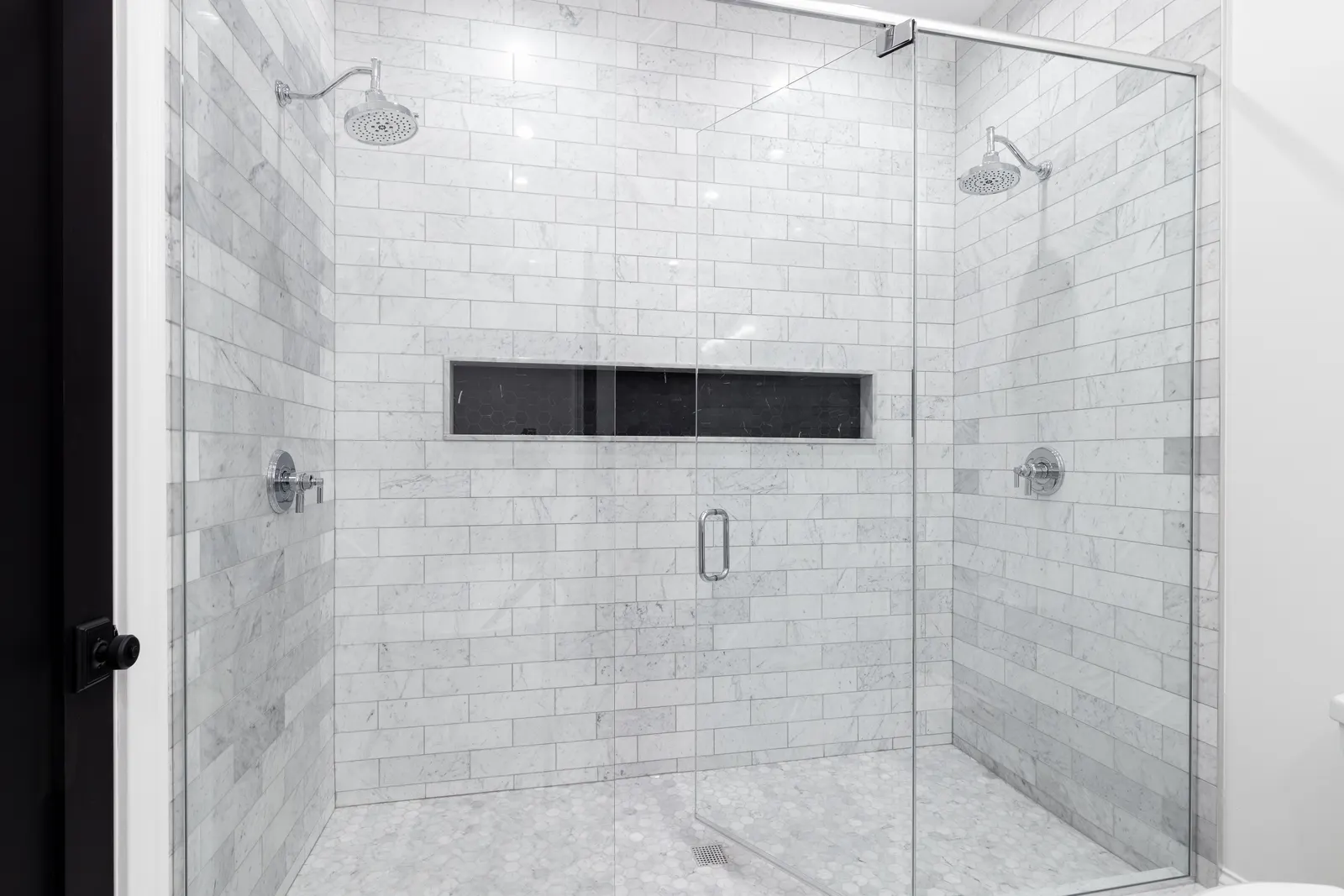 Sliding Shower DoorsSave space with sliding access.
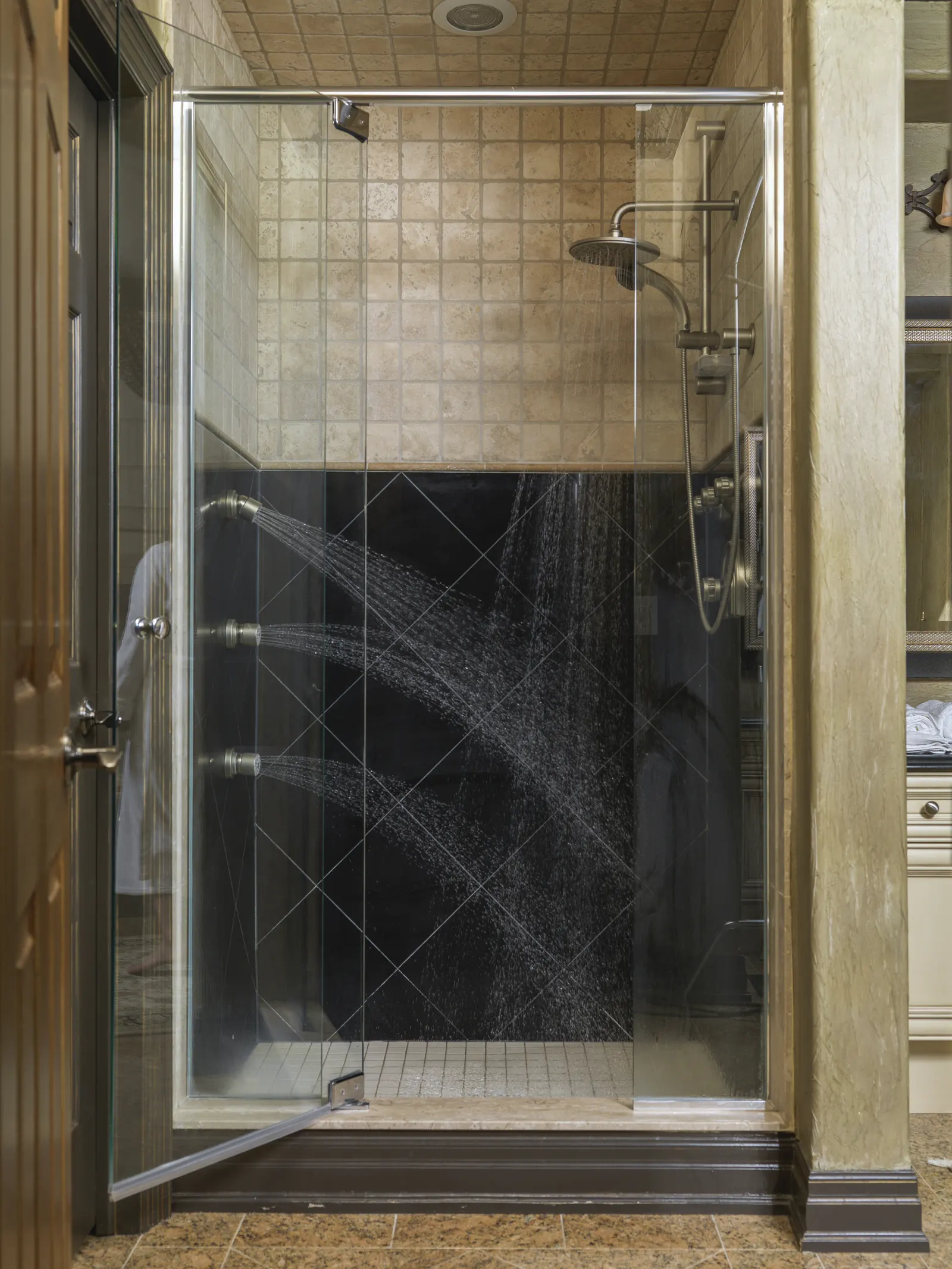 Hinged & Pivot Shower DoorsChoose a door that swings.
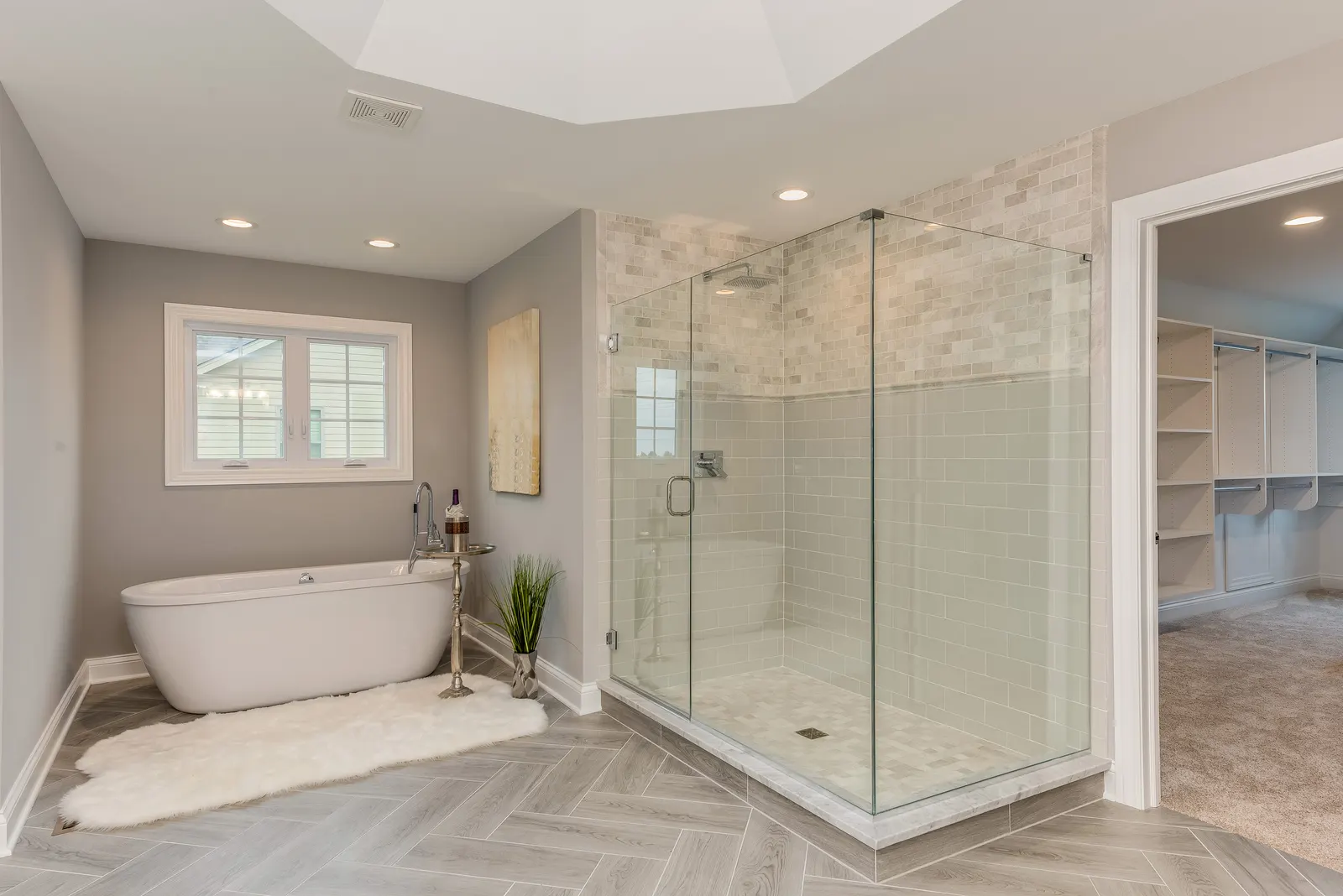 Corner Shower EnclosuresMake the most of your corner.
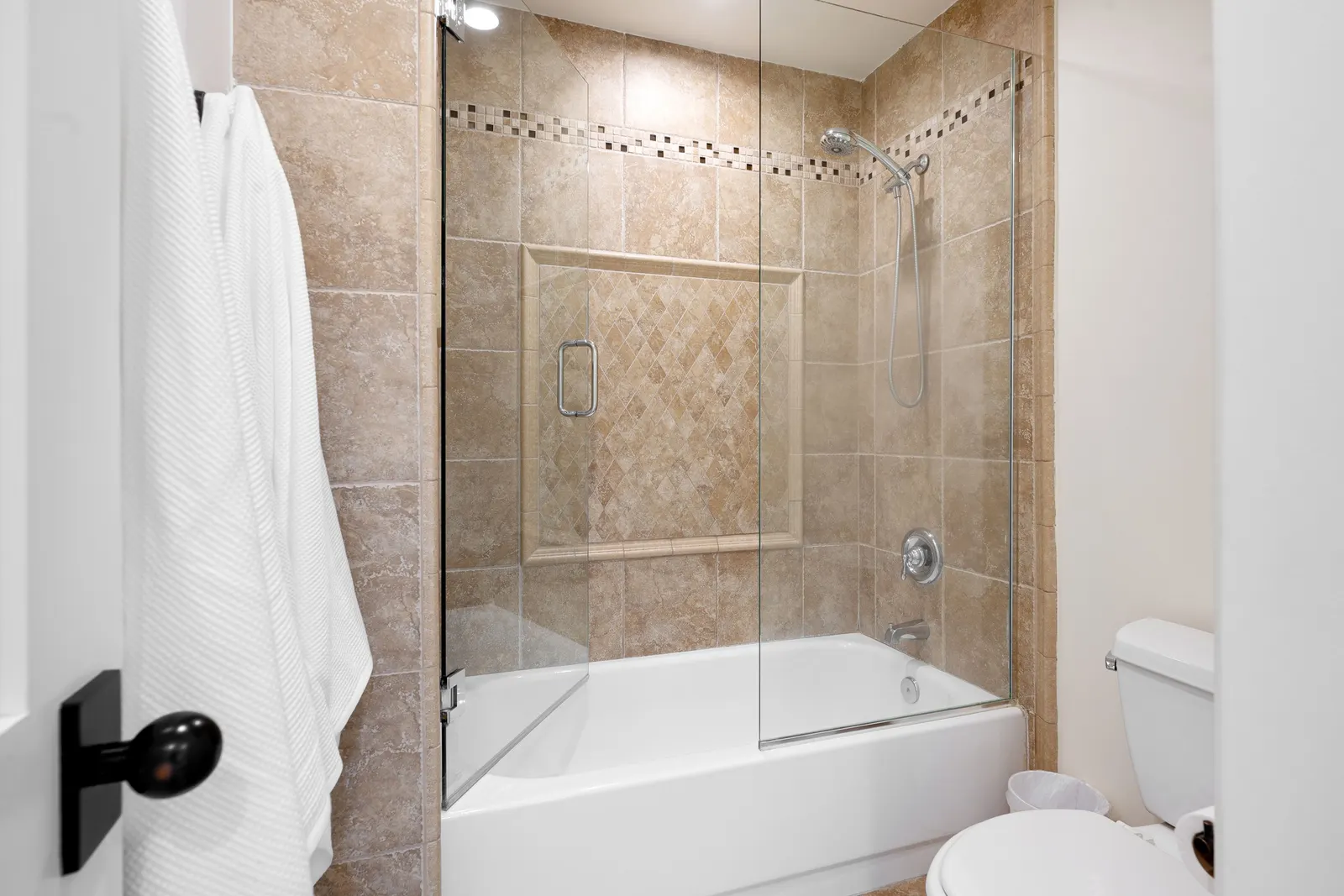 Bathtub Shower EnclosuresFinish your tub with glass.
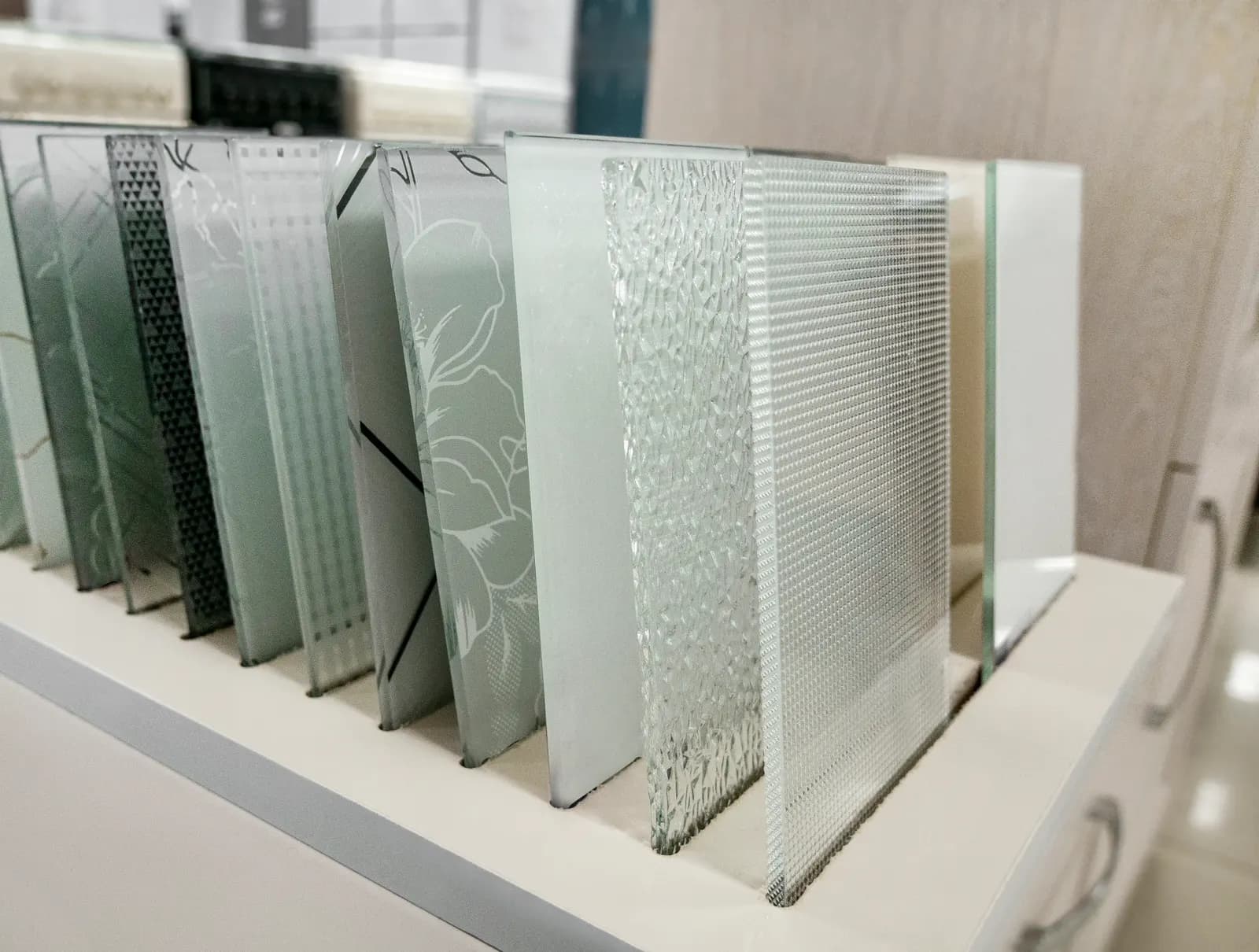 Glass Block Shower EnclosuresExplore privacy with glass block.
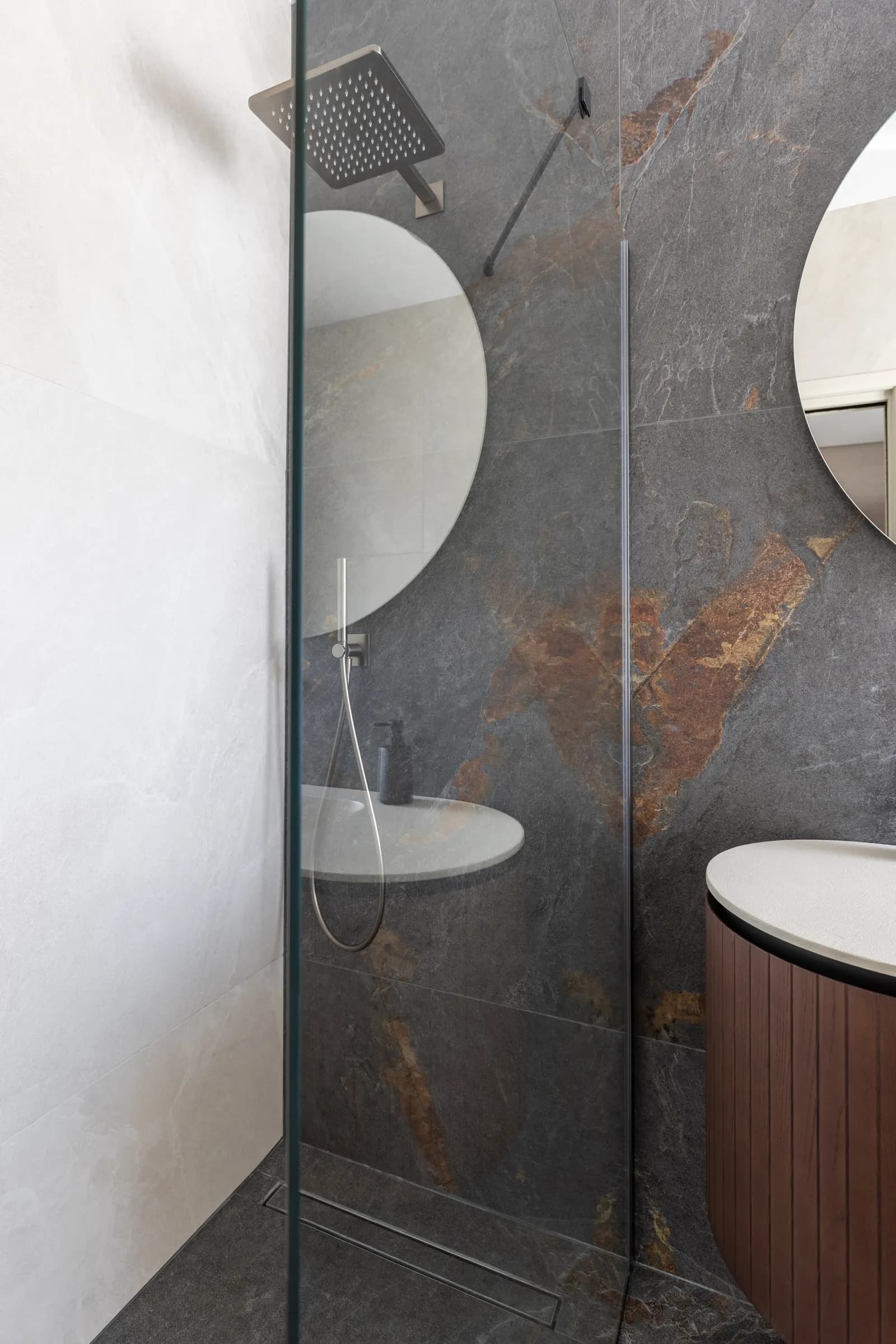 Glass Shower PanelsDefine your shower with glass.
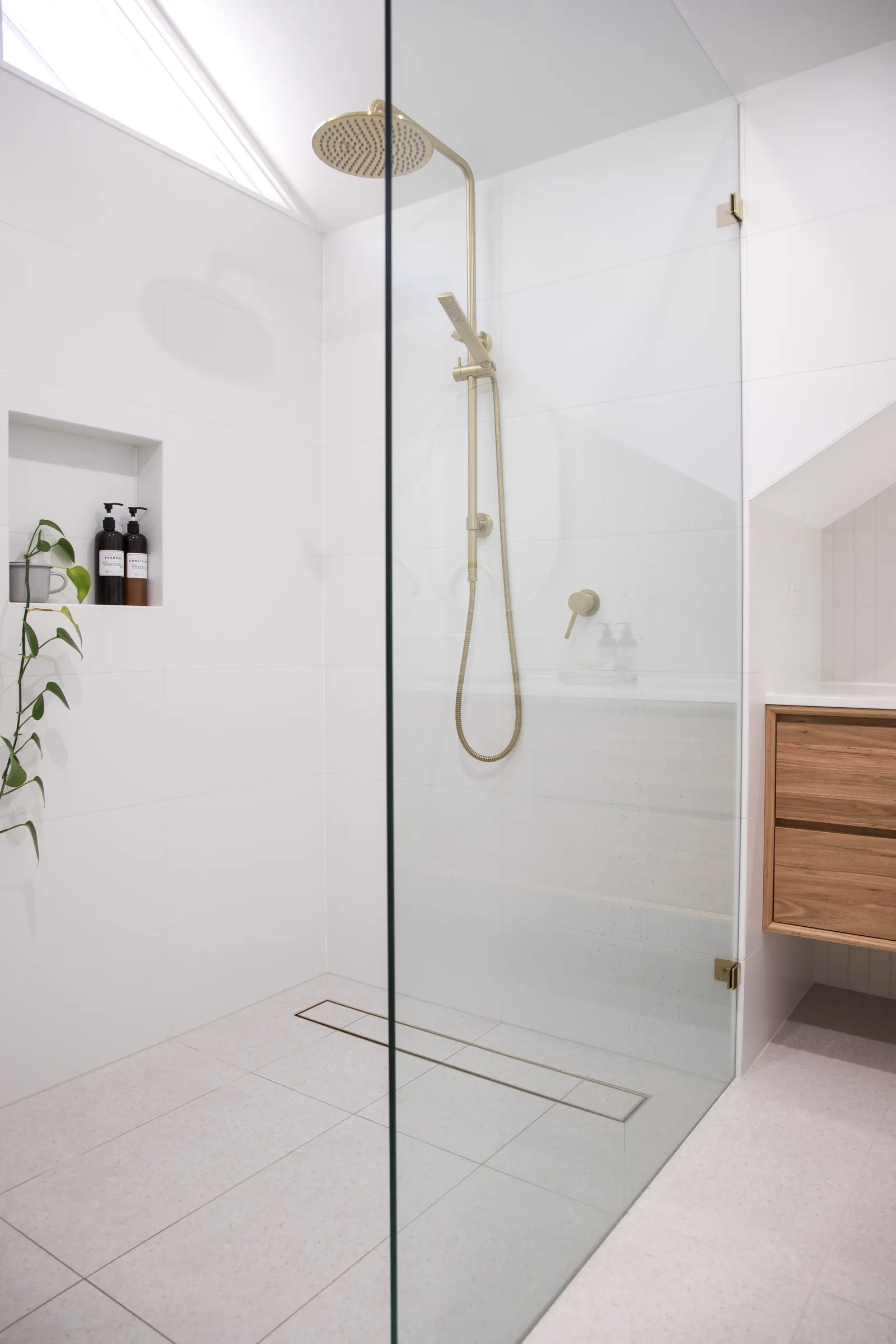 Walk-In Shower DoorsPlan a more open shower.
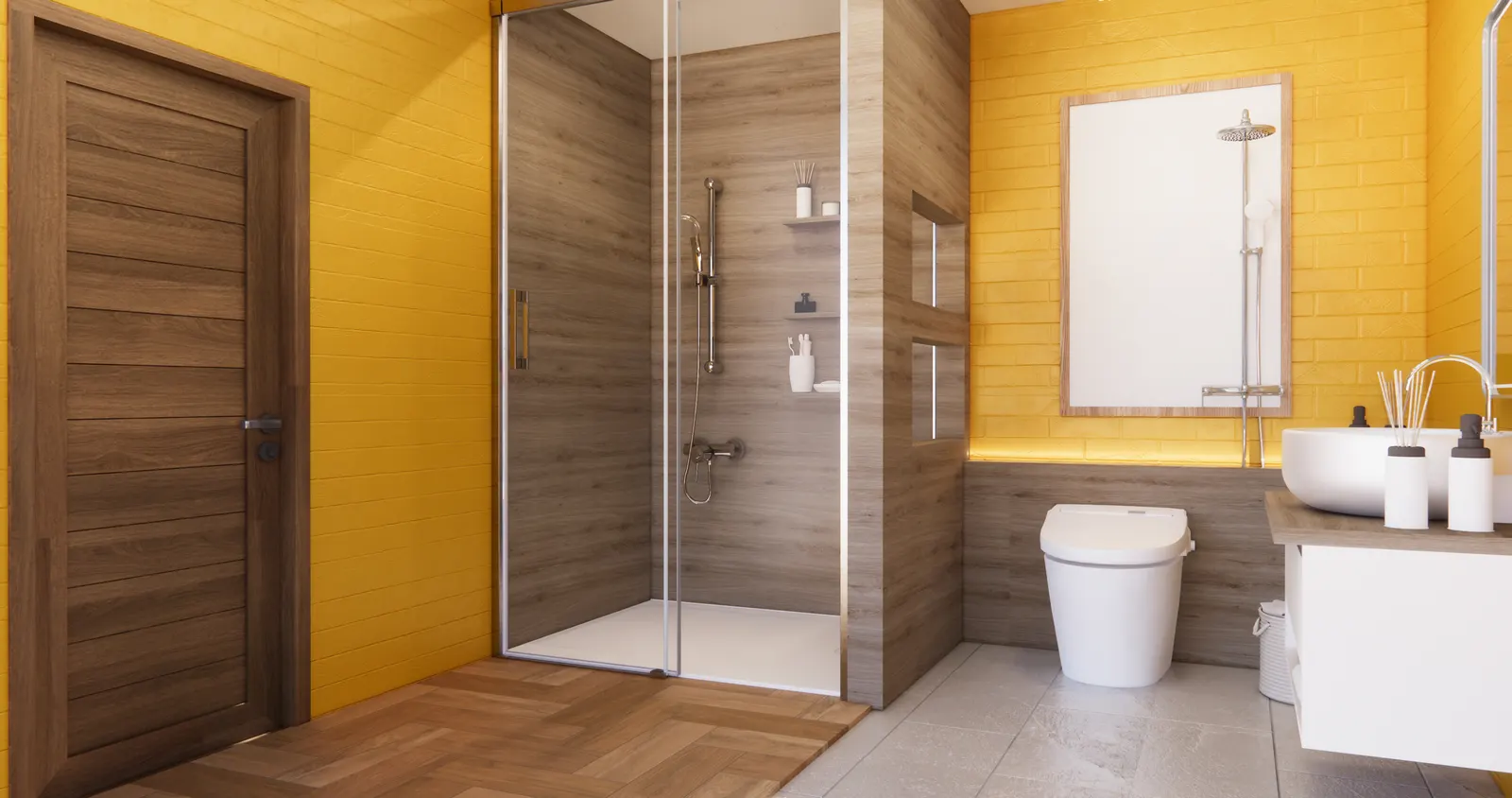 Commercial Shower DoorsDiscuss your commercial project.
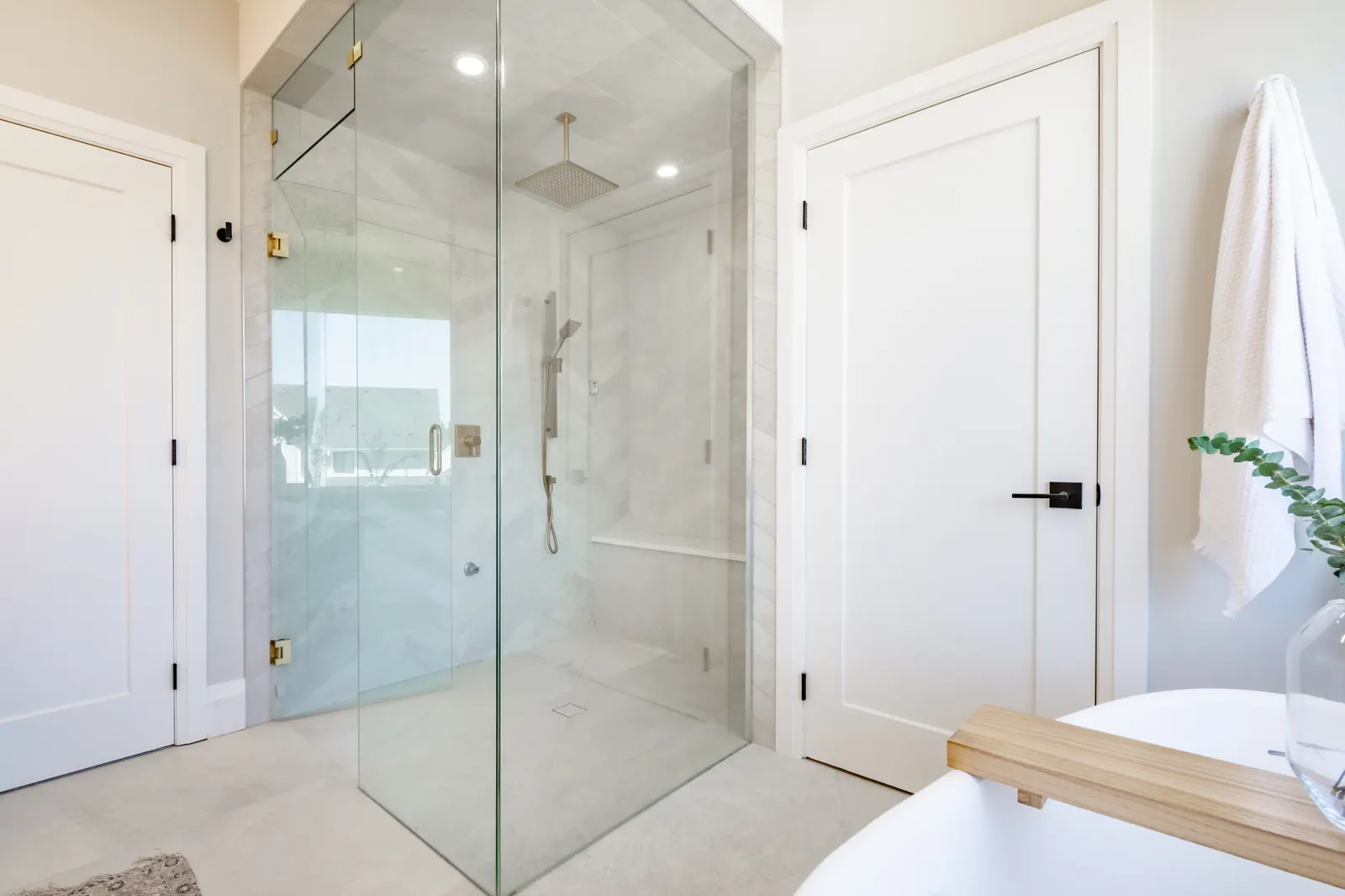 Hotel Shower DoorsPlan glass for guest bathrooms.
What is mirror re-silvering?
Re-silvering replaces a deteriorated reflective layer while keeping the original glass. A mirror's reflection comes from a thin metallic coating, commonly silver, applied to the back of the glass and covered by protective backing. When that layer breaks down, the glass in front of it can still be sound.
In general terms, the old backing is removed and a new reflective coating and protective layer are applied. The work changes how the mirror reflects, not the condition of its front surface.
Your Mirror Re-Silvering project
Get a free mirror re-silvering quote
Tell us about your shower doors, glass, or mirror project. Share a few details and we’ll help you work through the next steps.
Tell us about the space, dimensions, and service you need.
What causes black spots on mirrors?
The reflective backing can deteriorate when moisture or cleaning products reach the mirror's edges or back. The damage may appear as black spots, cloudy areas, or a dark border. A scratch on the front surface has a different cause and generally will not be corrected by renewing the backing.
The mirror's age, backing condition, edge seal, size, and installation all affect whether restoration is practical. Some mirrors cannot be removed or handled safely, and some have damage that extends beyond the reflective layer. We need to review the mirror and its condition before discussing a restoration path.
Why the damage often starts at the edges
Edges are where the reflective layer is most exposed. Deterioration there is often called black edge or desilvering, and it can creep inward over time. Common contributing conditions include:
- Glass cleaner sprayed directly onto the mirror and running down into the bottom edge.
- Steam and condensation in a bathroom without enough ventilation.
- Splashing where a vanity mirror meets the backsplash or sink.
- An adhesive or mounting material not intended for mirror backing.
- A chipped or unsealed edge that lets moisture behind the coating.
How it works
How we assess a mirror for re-silvering
Call or request a quote
Call the shop or send a quote request with photos and rough measurements of the wall or door.
We look in person
We come out, look at the damage, and measure the wall or door so the fix is based on what’s actually there.
Settle the design
Our designer helps you choose the size, shape, edge, and mounting before anything is cut.
Made in our shop
When a new piece is needed, we fabricate it in our own shop. Most glass is ready within 10 days.
Owner-supervised installation
We deliver and install it ourselves, and the owner supervises every job from measurement to the finished installation.
Is it the backing or the glass?
Start by identifying where the problem sits, because only backing damage is a candidate for re-silvering. Look at the mirror from an angle in good light: a mark in the reflective layer appears behind the glass, while a scratch or film sits on the surface you touch.
| What you see | Where it usually appears | Likely source | Useful next step |
|---|---|---|---|
| Black spots or a dark band | Along edges and corners | Moisture or cleaners reaching the backing | Photograph the edges and mounting |
| Gray or brown mottled patches | Scattered across the face | Age-related backing deterioration | Share full and close-up photos |
| A fine line you can feel | Front viewing surface | Scratch in the glass | Compare replacement options |
| A crack or chipped corner | Through the glass or at an edge | Glass damage | Stop using it; request an assessment |
If the glass is cracked or chipped, start with mirror repair instead, since renewing the backing will not make damaged glass sound.
Re-silver or replace?
Restoration may preserve an existing mirror when the glass and shape are worth keeping. Replacement may be more suitable if the glass is cracked, the mirror is difficult to remove, or you want a different size or finish. Compare mirror replacement and custom mirrors if the design is changing.
When keeping the original glass matters
Heirloom and antique pieces
For an older or sentimental mirror, the original glass, bevel, and frame may matter more than a perfectly clear reflection. Renewing the backing also replaces original material, which can change the character of a piece. If age or value is the main question, consult an appraiser or conservator first. If you simply want an aged look on a new panel, see antique-look mirrors.
Framed and inset mirrors
Glass in a decorative frame, cabinet door, or furniture piece may have a shape that is hard to reproduce. Describe how it is held in place.
When replacement is usually more practical
A standard flat wall or bathroom mirror with widespread black edge is often simpler to replace with new glass cut to the opening. If the vanity or lighting is changing too, see bathroom vanity mirrors.
| Consideration | Re-silvering review | Replacement review |
|---|---|---|
| Damage | Deterioration of the reflective backing on otherwise suitable glass. | Cracked glass, a different design, or an impractical restoration. |
| What stays | The existing glass and shape, if they can be retained. | A new mirror selected for the opening and preferred finish. |
| Assessment | Backing, edges, removal, and handling need review. | Dimensions, mounting, wall condition, and access need review. |
Re-silvering does not remove front-surface scratches or repair cracks. Suitability and availability must be confirmed after assessment.
Protect the backing while you decide
Existing dark spots will not clear with cleaning, but you can avoid adding moisture to the edges. Wipe up standing water near the bottom of the mirror and ventilate after showers.
Practical tip: Spray glass cleaner onto a soft cloth rather than onto the mirror, and keep the cloth away from the edges. Liquid running into the bottom edge is a common route to backing damage.
Home re-silvering kits exist, but stripping an old backing involves chemicals and results are hard to control. Do not scrape, sand, or strip the back yourself before an assessment.
Request a re-silvering assessment
Send photos of the full mirror and close-ups of the damaged areas and edges. Include approximate dimensions, how it is mounted, and whether it can be removed. We will confirm whether the mirror can be assessed for re-silvering and what the next step would involve.
- Photograph the whole mirror from a safe distance, without moving it.
- Take close-ups of the spots, the edges, and any visible fixings.
- Note the approximate width, height, and shape, including any bevel or frame.
- Say whether you want to keep the original glass or are open to replacement.
For other mirror projects, start from the mirror and glass services hub.
What to share with your inquiry
- A photo of the full mirror or wall, plus close-ups of any damage.
- Approximate width and height, and how an existing mirror is mounted.
- Whether you want a new design, replacement, or condition assessment.
Completed custom mirrors jobs in Brooklyn.
Mirror Re-Silvering FAQ
Mirror re-silvering questions
Explore the options, price factors, and next steps for your Brooklyn project. For advice about your own space, .
Can re-silvering remove scratches from the front of the mirror?
No. Re-silvering addresses the reflective backing behind the glass. Scratches on the front surface are a different type of damage. Share a photo so the issue can be identified before choosing restoration or replacement.
Can every mirror be re-silvered?
No. The glass condition, backing, size, edge, and removal requirements determine whether restoration is practical. An assessment is needed before a mirror can be accepted for re-silvering.
What affects the cost of a re-silvering request?
The glass and backing condition, dimensions, edges, and removal requirements affect whether there is a practical restoration path. The mirror must be assessed before re-silvering can be accepted or its scope discussed. Replacement may be more suitable in some cases.
What should I send for a Brooklyn re-silvering assessment?
Send photos of the full mirror and close-ups of damaged areas and edges. Include approximate dimensions, how it is mounted, and whether it can be removed. We will confirm whether the mirror can be assessed and what the next step would involve.
Should I remove the mirror before asking about re-silvering?
Explain the attachment method and removal access first. Some mirrors cannot be removed or handled safely, and those conditions affect restoration suitability. Do not attempt to move a large, cracked, or unstable panel yourself.
How can I protect the reflective backing?
Moisture and cleaning products reaching the edges or back can contribute to deterioration. Avoid allowing them to collect there, and include edge and mounting details when discussing care. Existing dark spots still need assessment; surface cleaning does not repair the backing.