

Choosing shower glass is about more than clear or frosted. The surface, color, panel layout, and hardware all change how the enclosure looks and works. This guide helps Brooklyn homeowners compare common options before discussing a measured design with us.
In this guide
- Quick guide to choosing shower glass
- Clear and low-iron glass
- Patterned, frosted, and tinted choices
- Thickness, panel size, and hardware
- Match the glass to the enclosure
- Cleaning and everyday care
- Shower glass questions
- Plan your shower glass
Quick guide to choosing shower glass
- Choose clear glass when an open sightline is the priority.
- Consider low-iron glass if you want to reduce the green tint visible at the edge of clear glass.
- Compare patterned or frosted glass when privacy matters.
- Coordinate glass appearance with the enclosure layout and hardware finish.
- Confirm the glass specification and safety requirements for the actual application before ordering.
Clear and low-iron glass
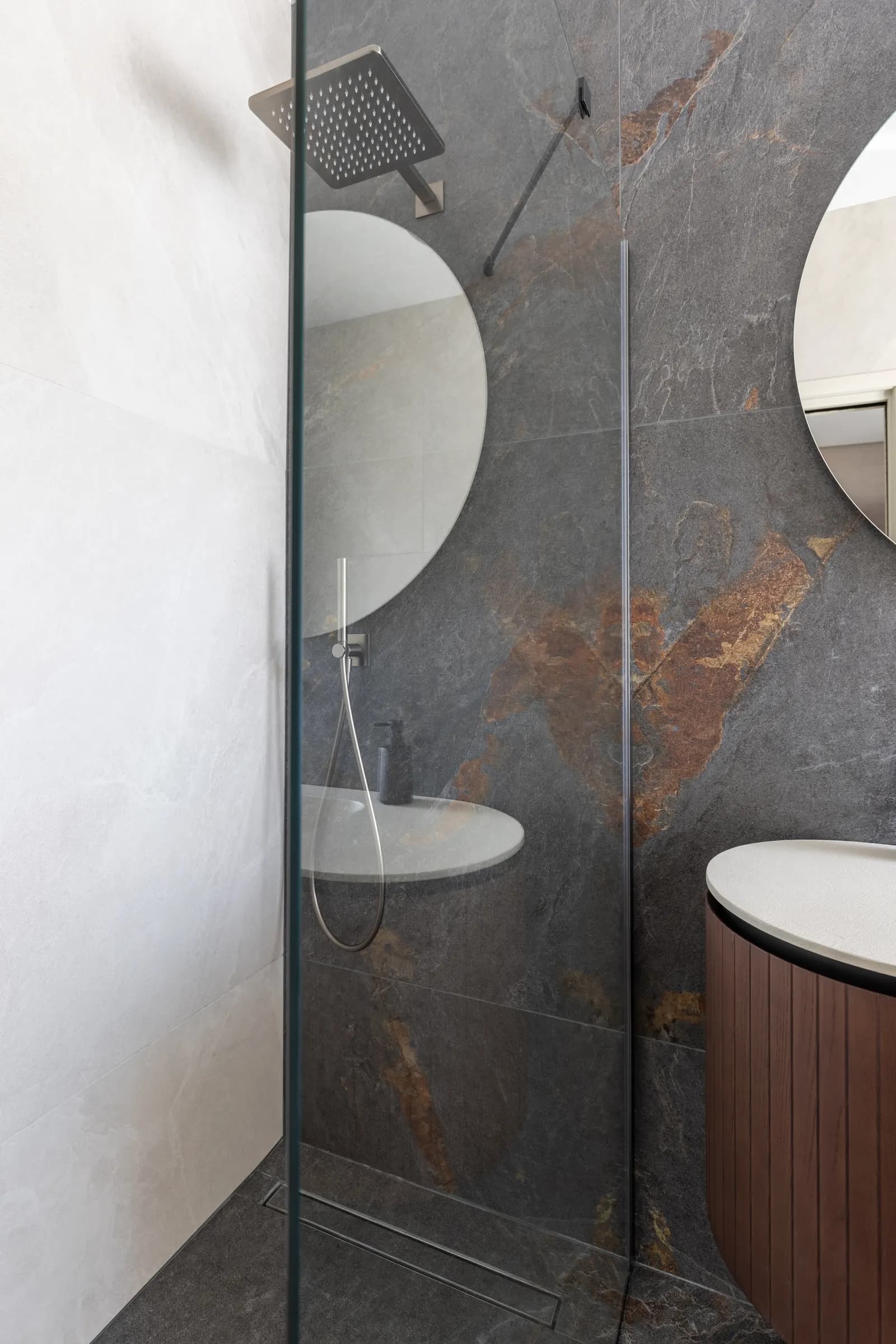
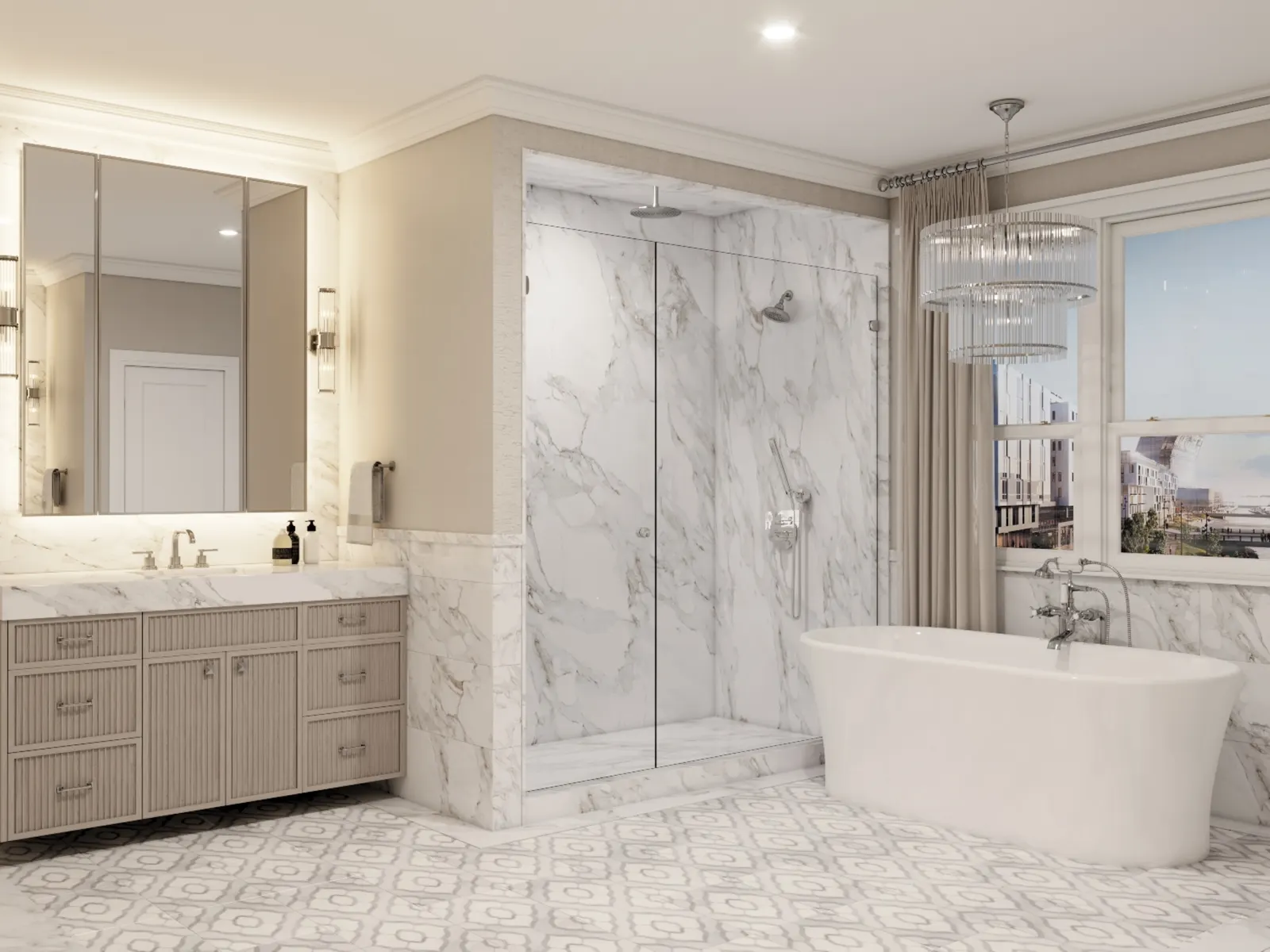
Clear glass is a common choice for frameless enclosures because it keeps the tile and fixtures visible. In thicker panels, the glass edge can show a green tone. Low-iron glass reduces that color cast and can appear more neutral, especially beside light stone or white tile. The visual difference is easiest to judge with a sample or a real project photo.
Patterned, frosted, and tinted choices
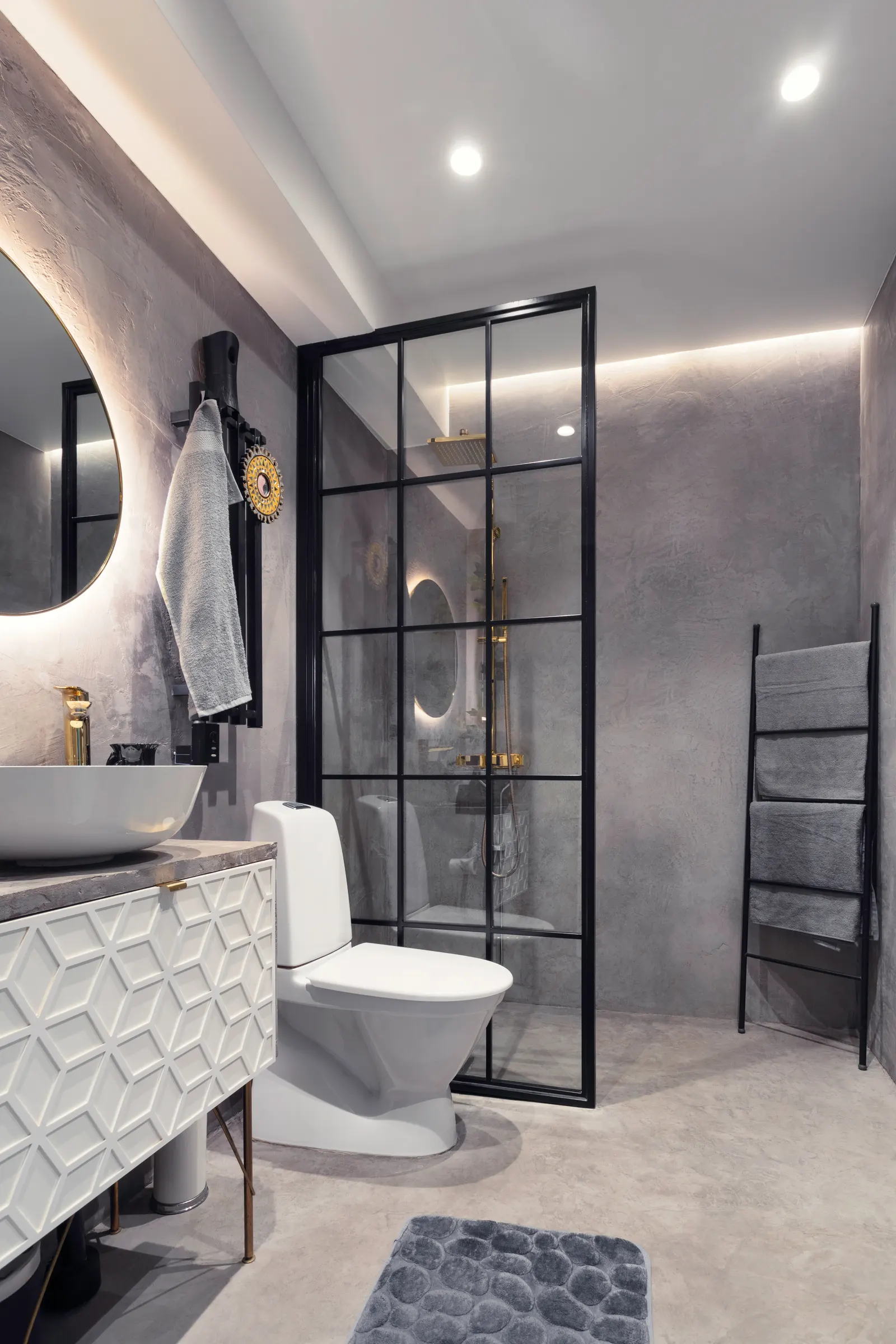
Patterned glass adds texture and can soften visibility. Frosted or etched surfaces provide a more even privacy effect, though the level of obscurity varies by finish. Tinted glass changes the color of the shower and can coordinate with a particular design, but it may affect how the room's light appears. Ask to compare the available samples rather than relying on a name alone.
Thickness, panel size, and hardware
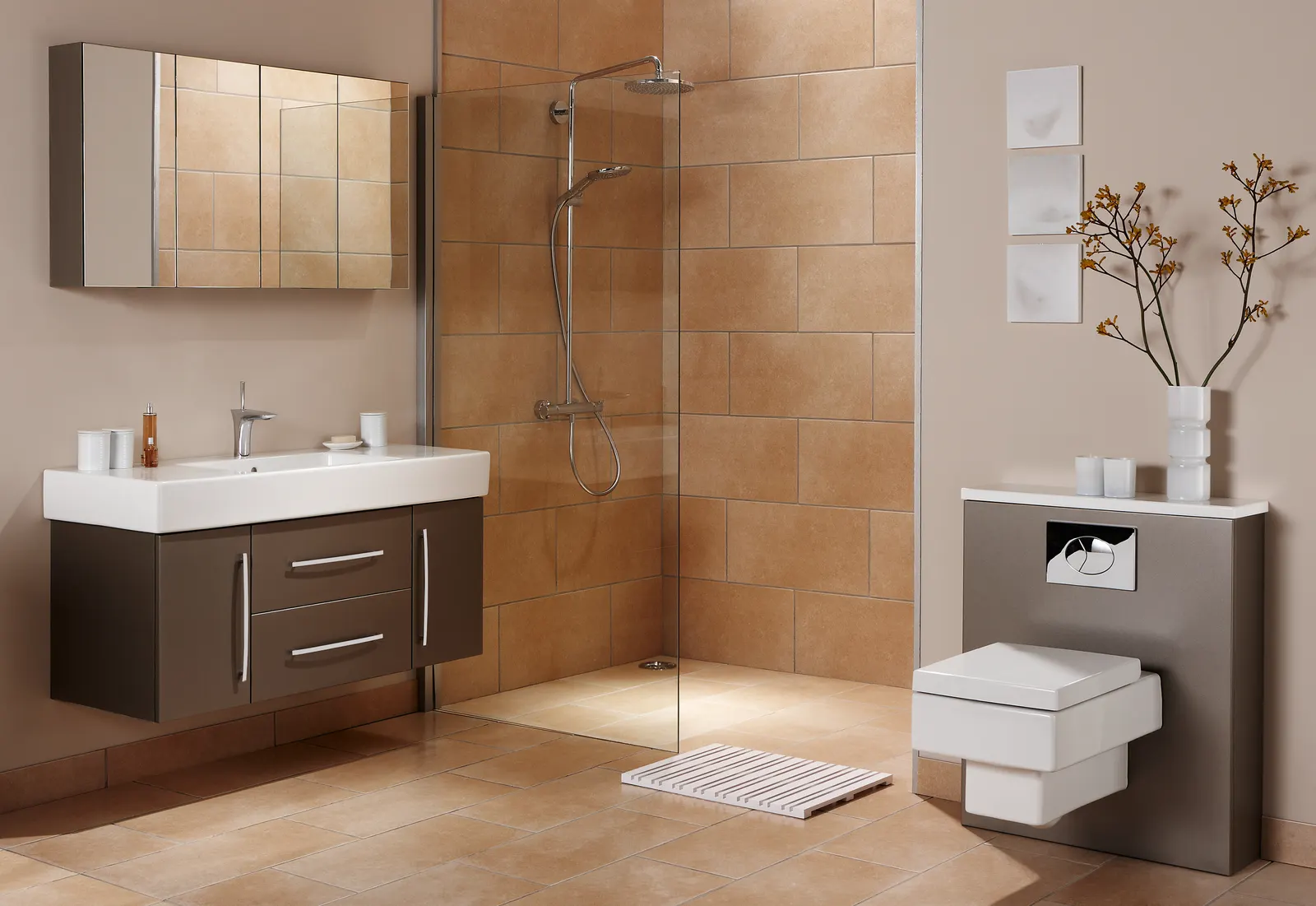
Glass thickness is selected as part of a complete enclosure system; it is not a standalone upgrade decision. Panel dimensions, door weight, hinges, clips, and support conditions all matter. We review the opening and hardware before specifying glass. Safety glazing rules can depend on the location and application, so the design should be checked against applicable requirements. The U.S. Consumer Product Safety Commission’s final rule on architectural glazing materials describes the federal safety standard. Requirements for a particular installation depend on its application and location; confirm the applicable code and specification with the project professional.

Match the glass to the enclosure
A sliding door has different panel movement and track needs than a hinged frameless door. A fixed panel may be appropriate for a walk-in shower, while a corner enclosure may require multiple glass sections. Browse frameless doors, sliding doors, and walk-in shower doors.

Cleaning and everyday care
A squeegee after use helps reduce water spots and soap residue. Use a non-abrasive cleaner suitable for the glass and hardware finish. Avoid assuming every coating or patterned surface uses the same care instructions; follow the product guidance for the glass selected. For existing hard-water spots or soap scum, first identify the glass coating and hardware finish, then use the treatment approved in the product’s care instructions. Rinse and dry after cleaning. DreamLine’s shower-door care instructions describe mild cleaning and drying for its glass. If residue persists, ask the manufacturer which treatment suits your exact product before trying stronger chemicals, abrasives or scrapers.
Shower glass questions
Is low-iron glass clearer than regular clear glass?
Low-iron glass reduces the green cast that can be visible at the edge of standard clear glass. The difference is most noticeable in thicker glass or beside light-colored materials. A sample helps you decide whether that change matters in your bathroom.
Which shower glass gives the most privacy?
Frosted, etched, and patterned glass can reduce visibility, but the effect depends on the surface and lighting. Review the actual pattern and the bathroom layout before choosing. Privacy preference should be balanced with cleaning and appearance.
What glass thickness should I choose?
Thickness depends on the enclosure system, panel dimensions, hardware, support, and applicable safety requirements. It should be specified as part of the measured design rather than selected without the other details.
Plan your shower glass
For a recommendation based on your opening, start with our shower enclosure page or contact us for a measurement and quote.