

Shower Door Repair in Brooklyn, NY
Need shower door repair in Brooklyn? Tell us what is leaking, rubbing, loose, or difficult to open and we’ll help determine the next step.
Materials & hardware brands
Repair Review
Find the cause before choosing a fix
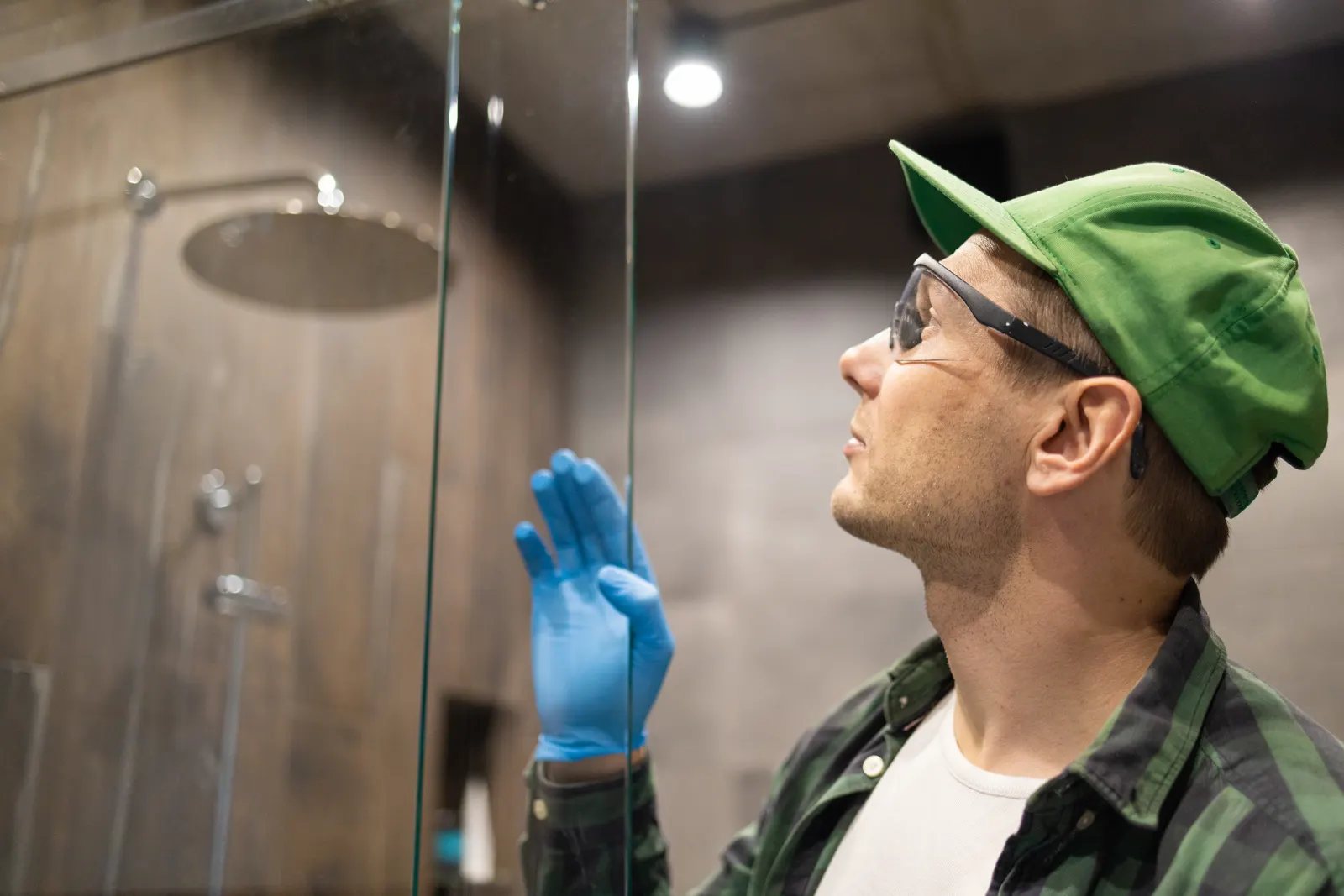
Leaking, rubbing, or loose hardware can come from different problems. Tell us what changed and show us the door so we can review whether an adjustment, compatible part, or replacement is practical.
Describe the problem
The location of a leak or movement issue helps focus the review.
Check compatible parts
Repair depends on the existing system and whether suitable components are available.
Review glass condition
Damaged or unstable glass changes whether the enclosure can be repaired.
Compare the next steps
The condition of the door guides the choice between repair and replacement.
Shower Door Repair in detail
A shower door that leaks, drags, or will not stay aligned can be frustrating. Brooklyn Shower Doors can review the problem and help determine whether shower door repair, such as an adjustment or a compatible part, can fix it, or whether a replacement is the better fit for the condition of the glass and hardware.
Shower Doors · Glass · Mirrors
Explore more services.
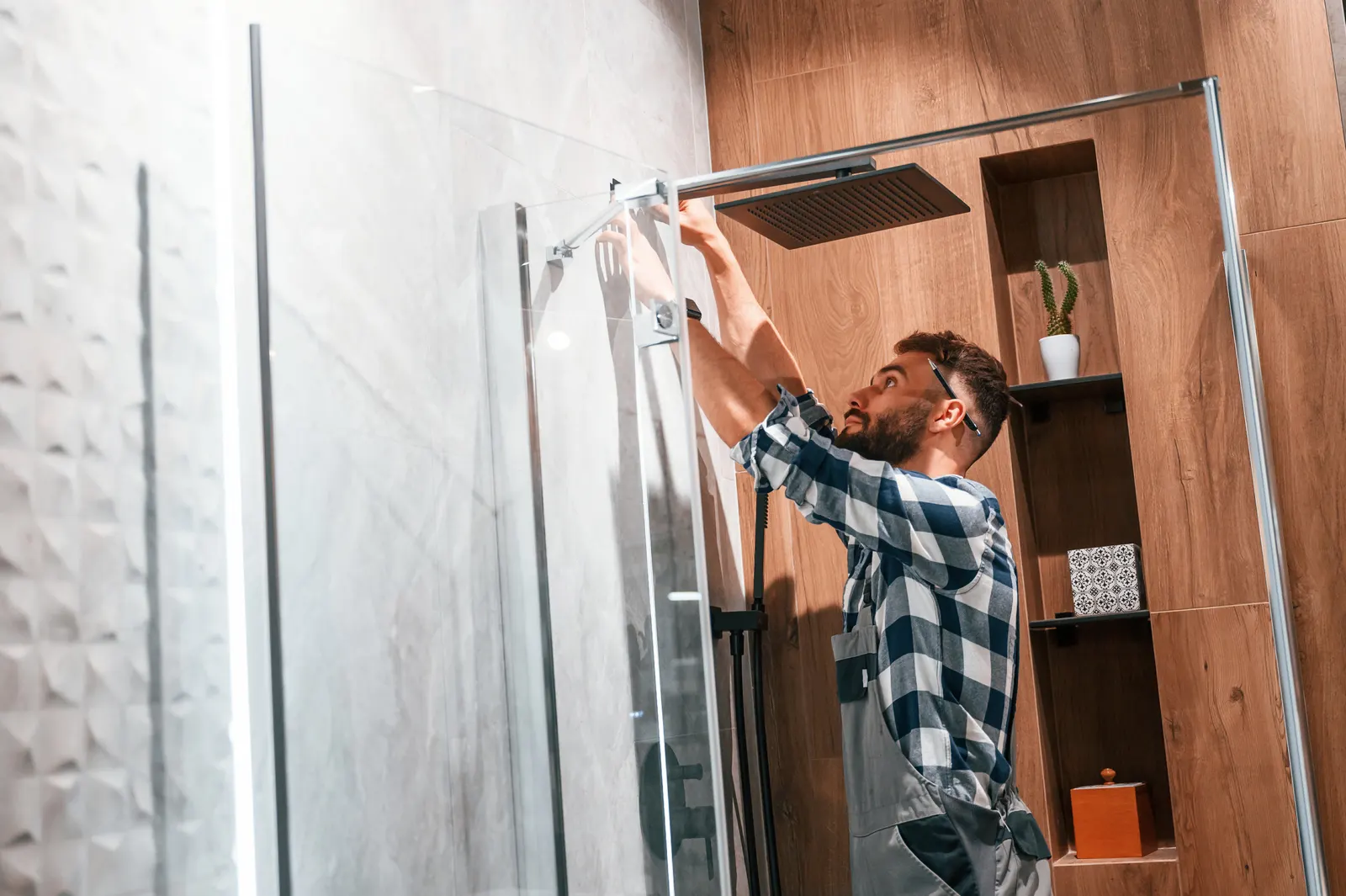 Shower Door InstallationPlan your custom fit.
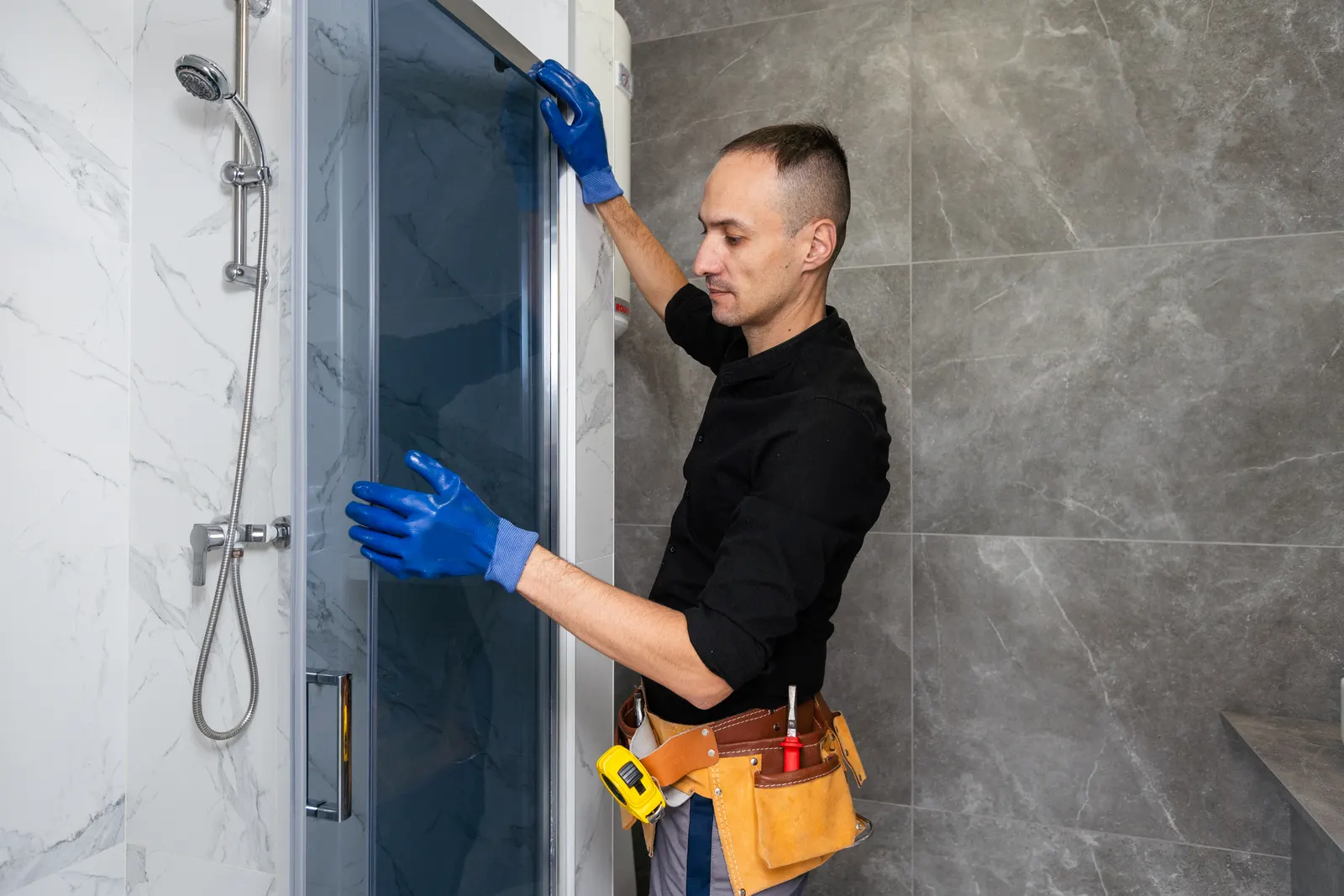 Shower Door ReplacementRefresh your shower enclosure.
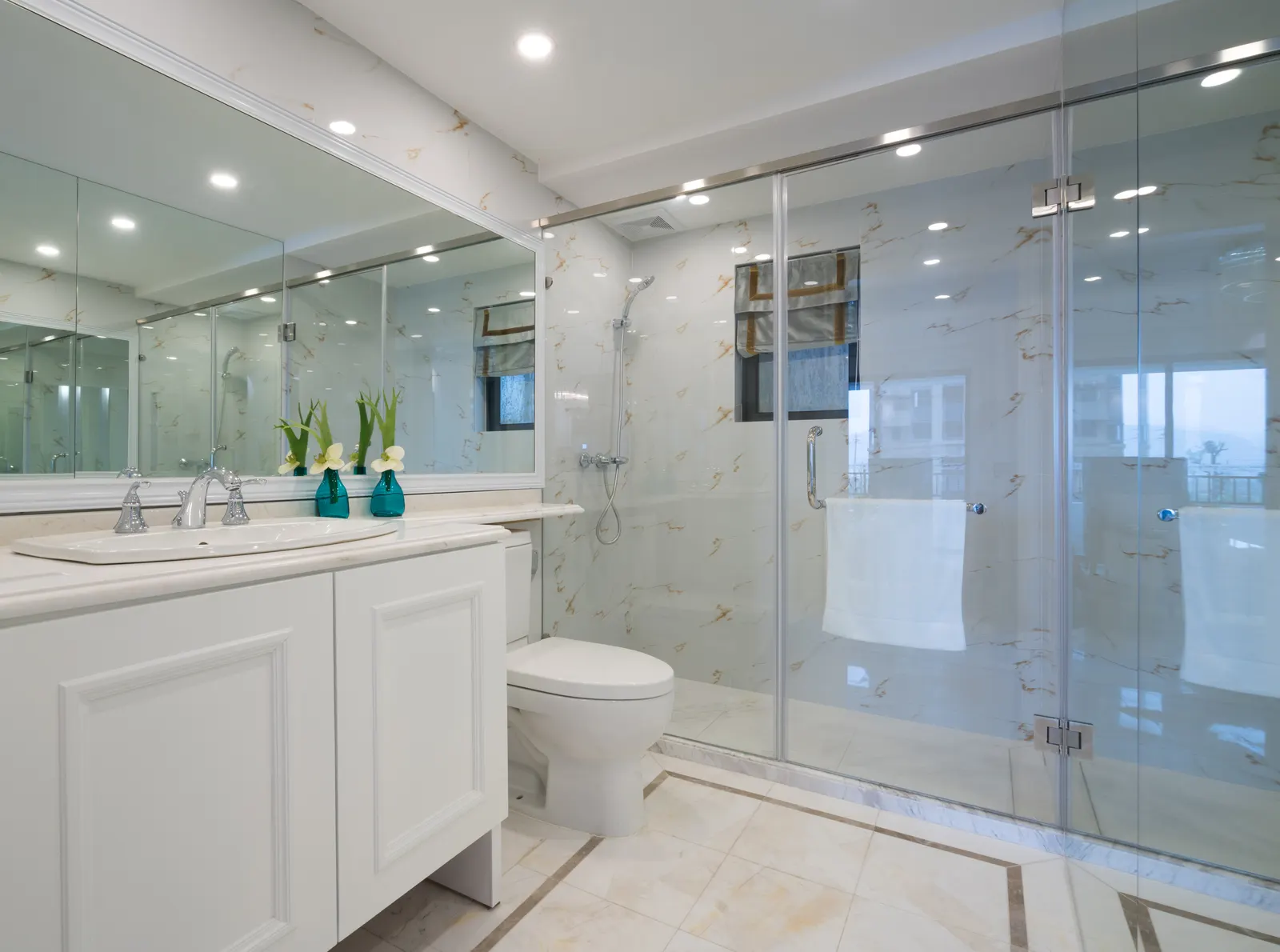 Frameless Shower DoorsOpen up your bathroom.
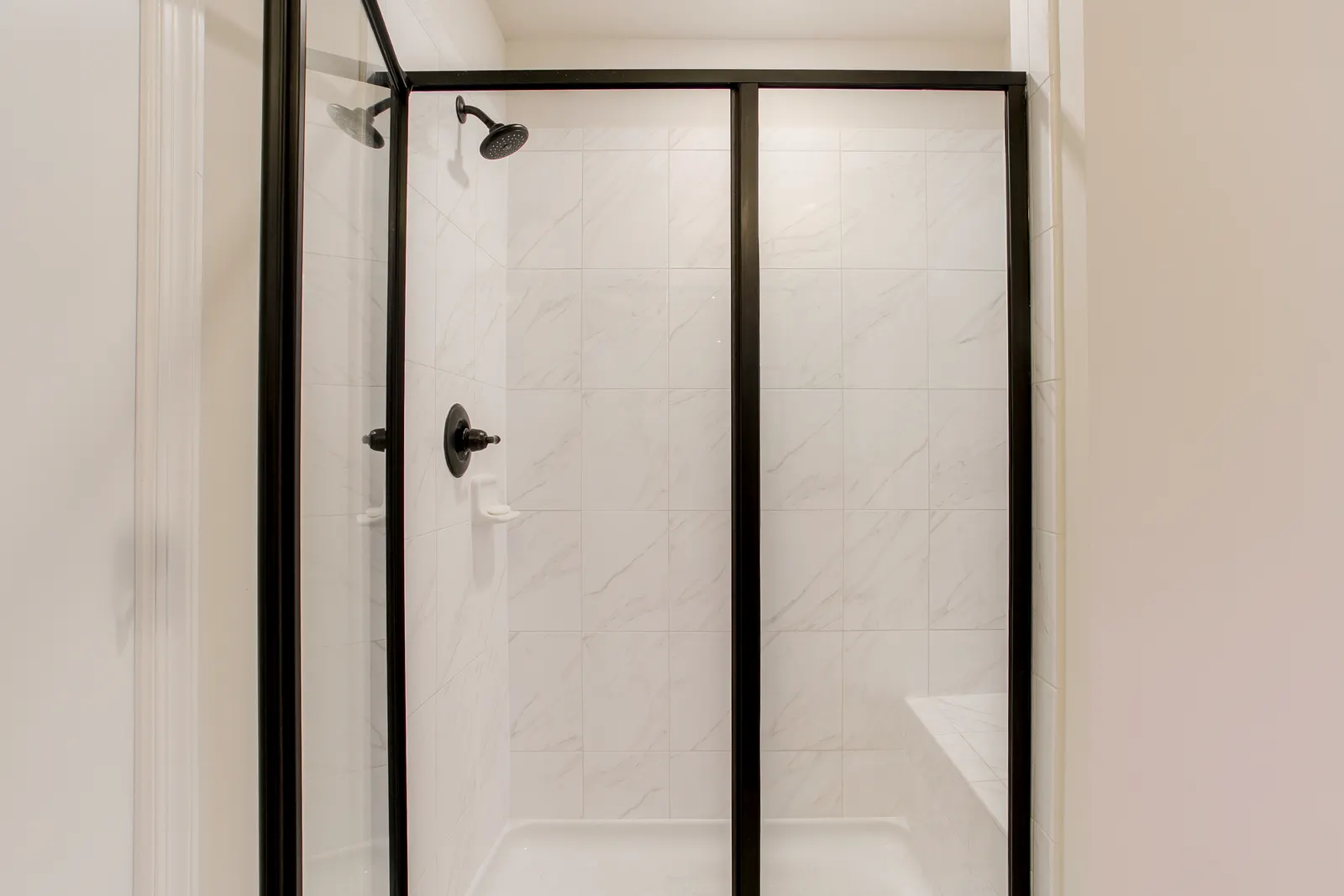 Framed Shower DoorsExplore a framed enclosure.
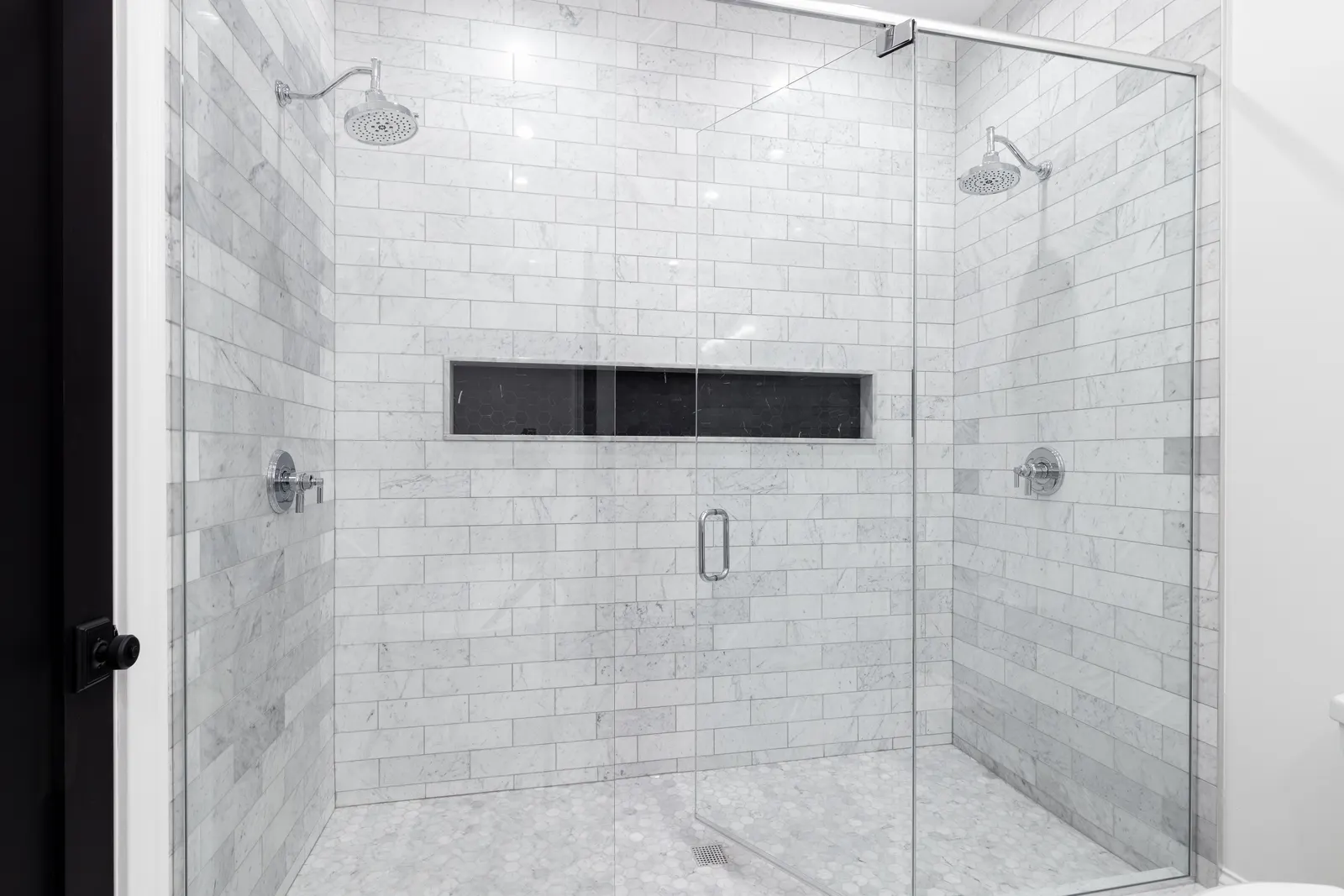 Sliding Shower DoorsSave space with sliding access.
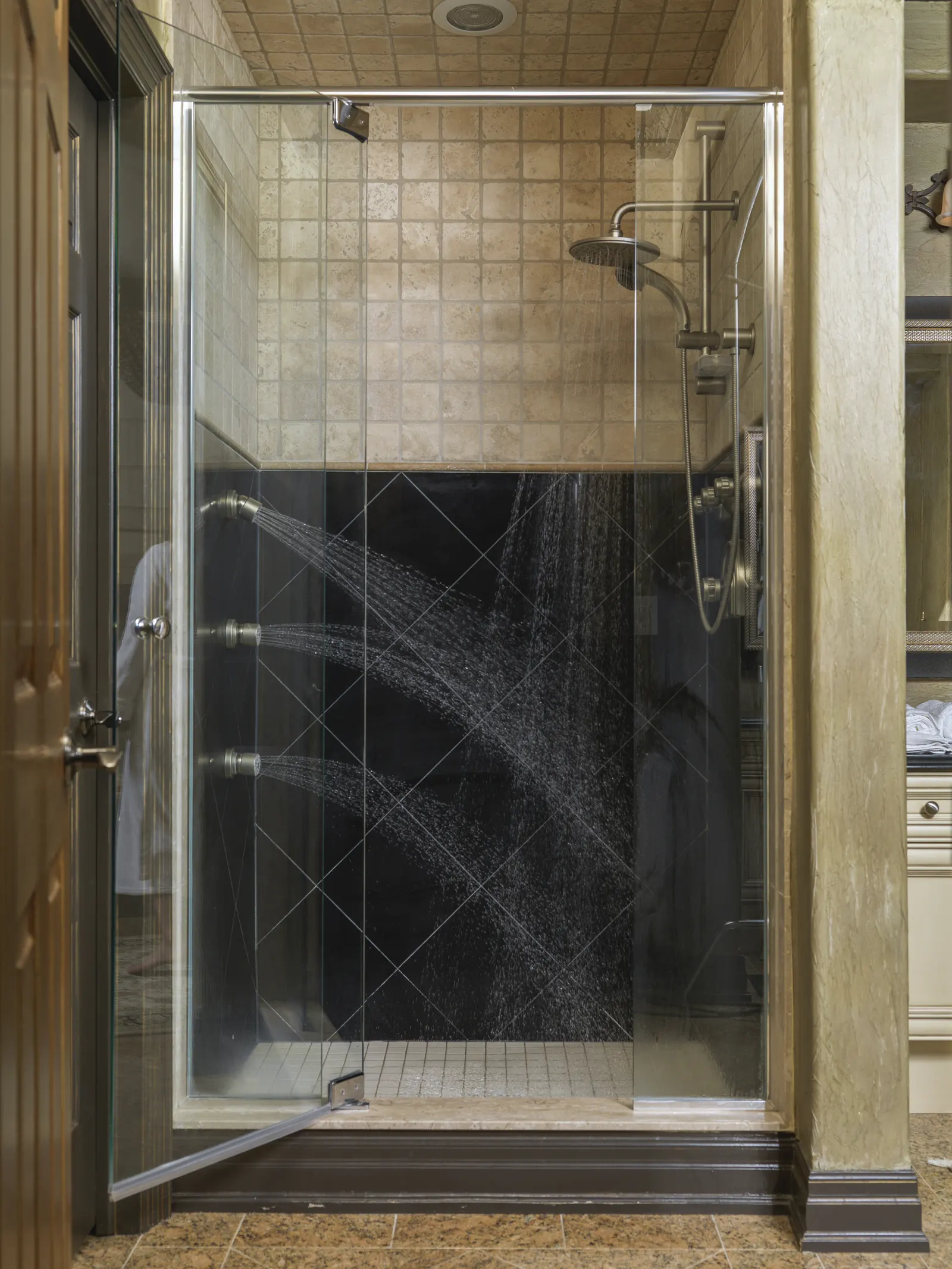 Hinged & Pivot Shower DoorsChoose a door that swings.
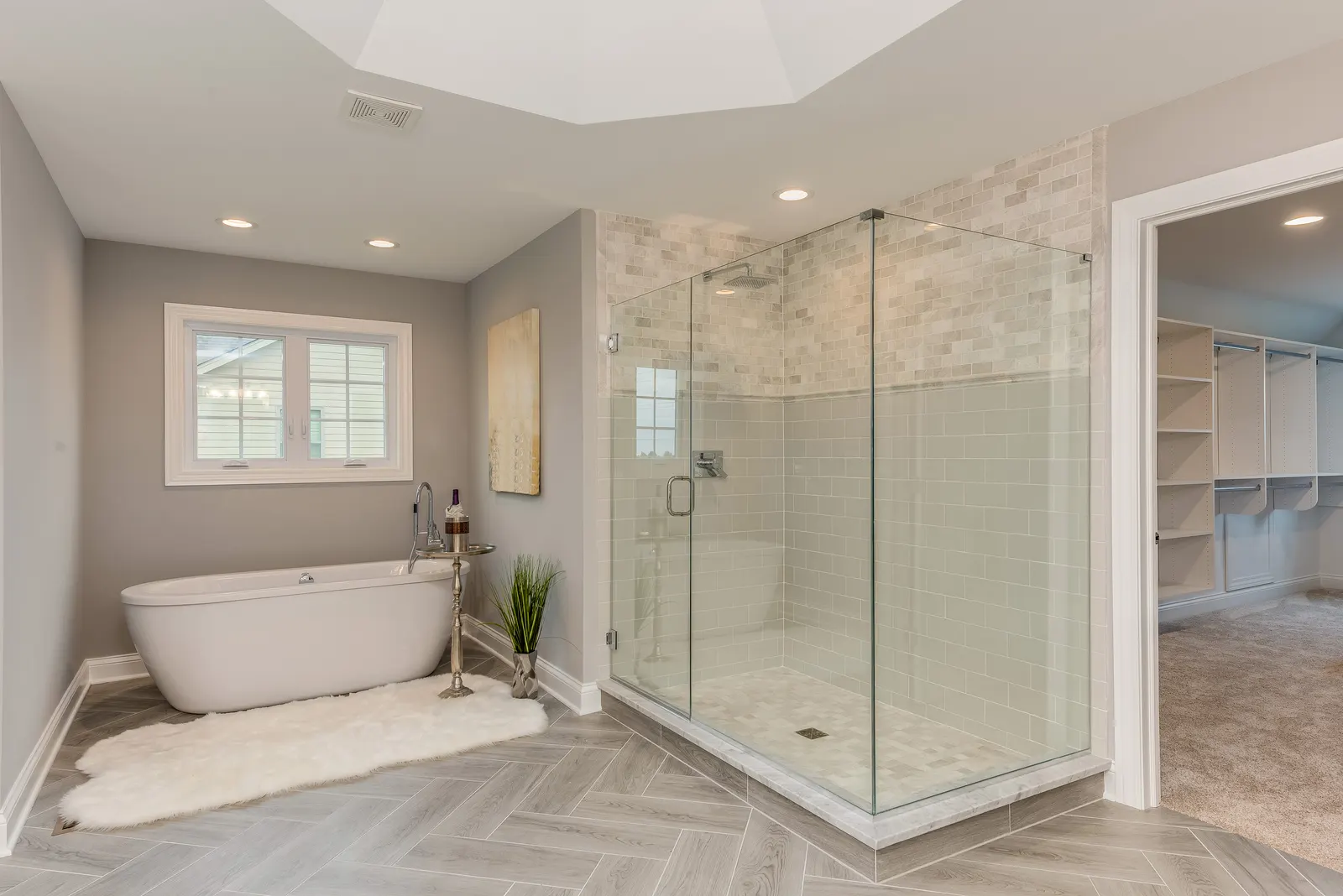 Corner Shower EnclosuresMake the most of your corner.
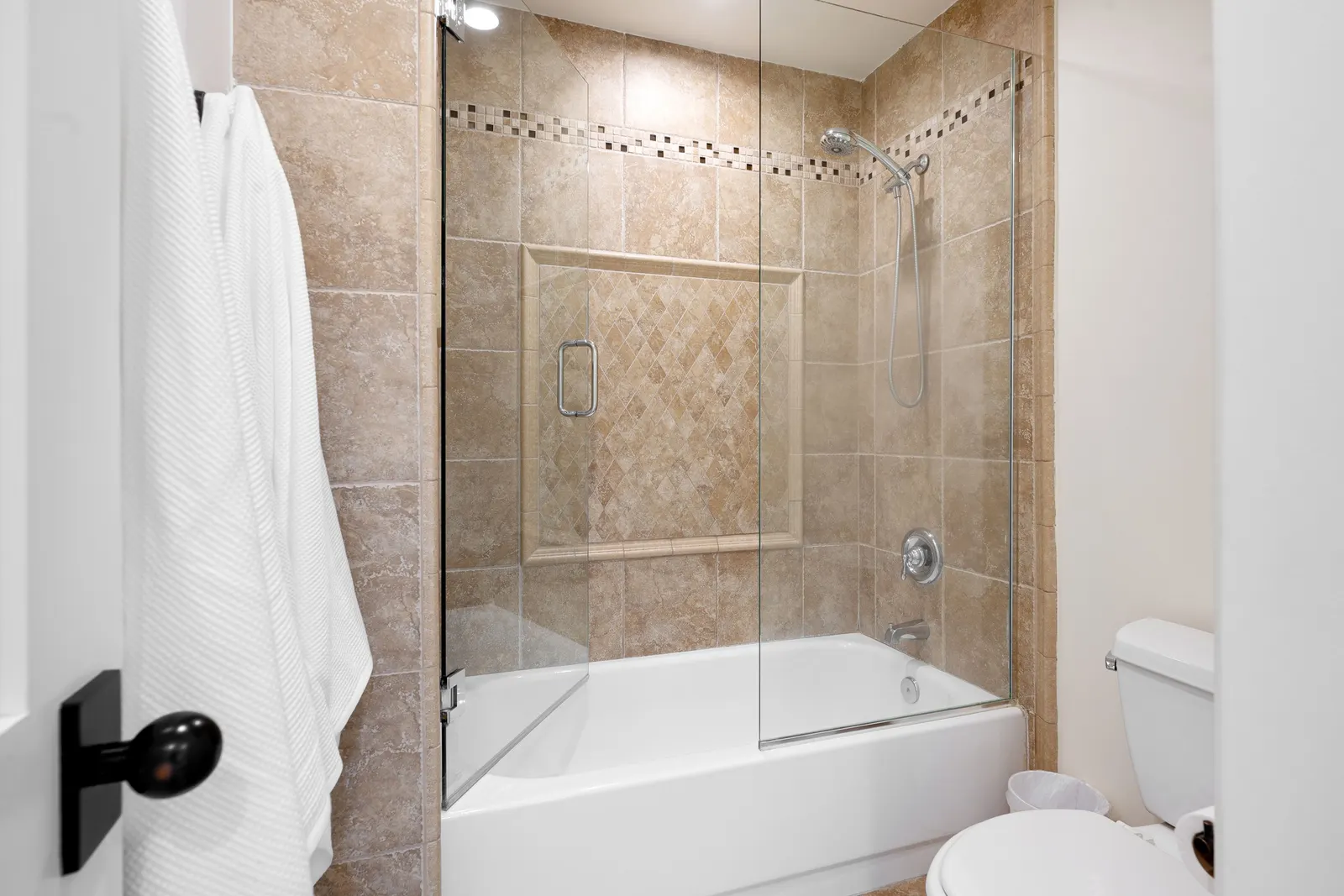 Bathtub Shower EnclosuresFinish your tub with glass.
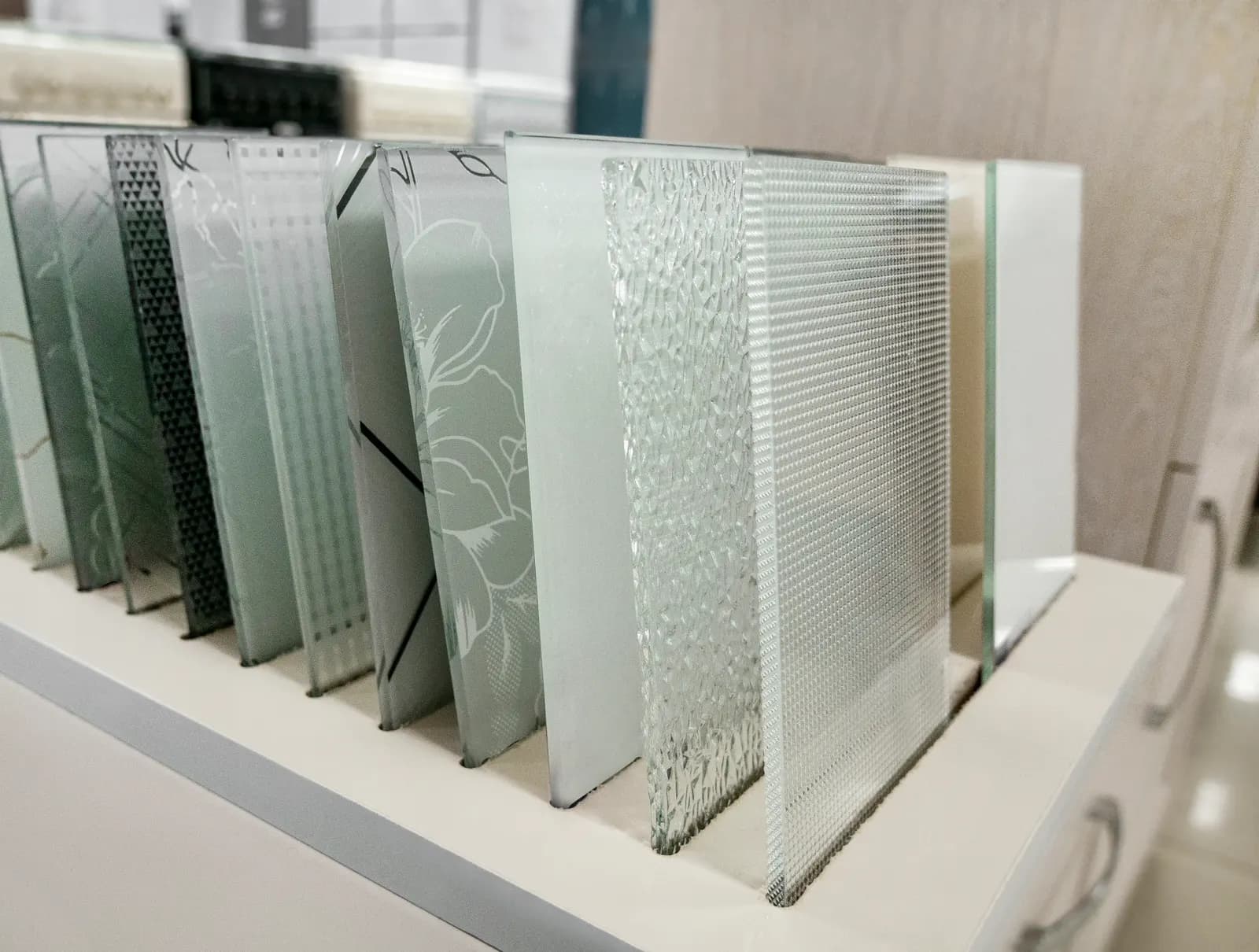 Glass Block Shower EnclosuresExplore privacy with glass block.
 Glass Shower PanelsDefine your shower with glass.
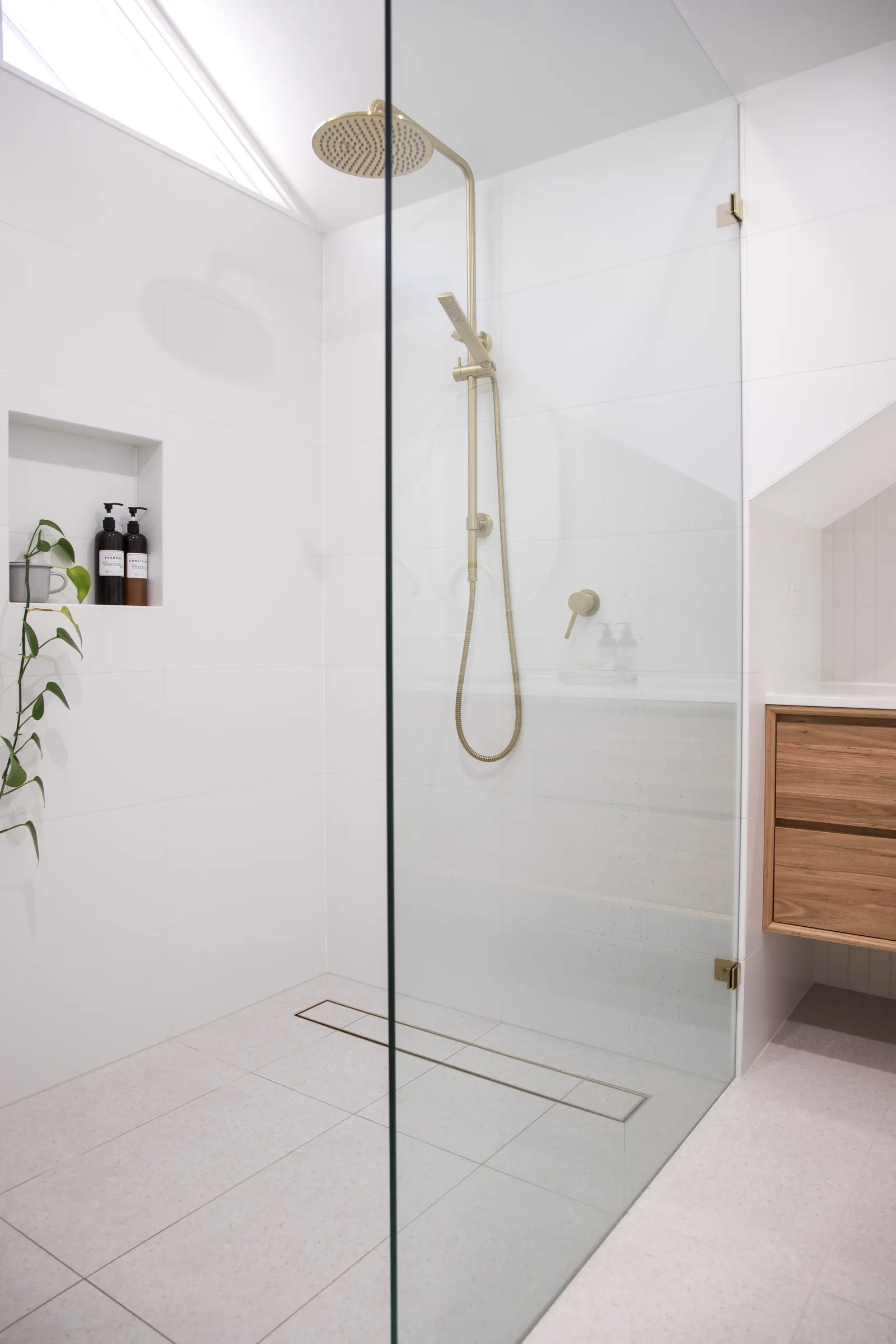 Walk-In Shower DoorsPlan a more open shower.
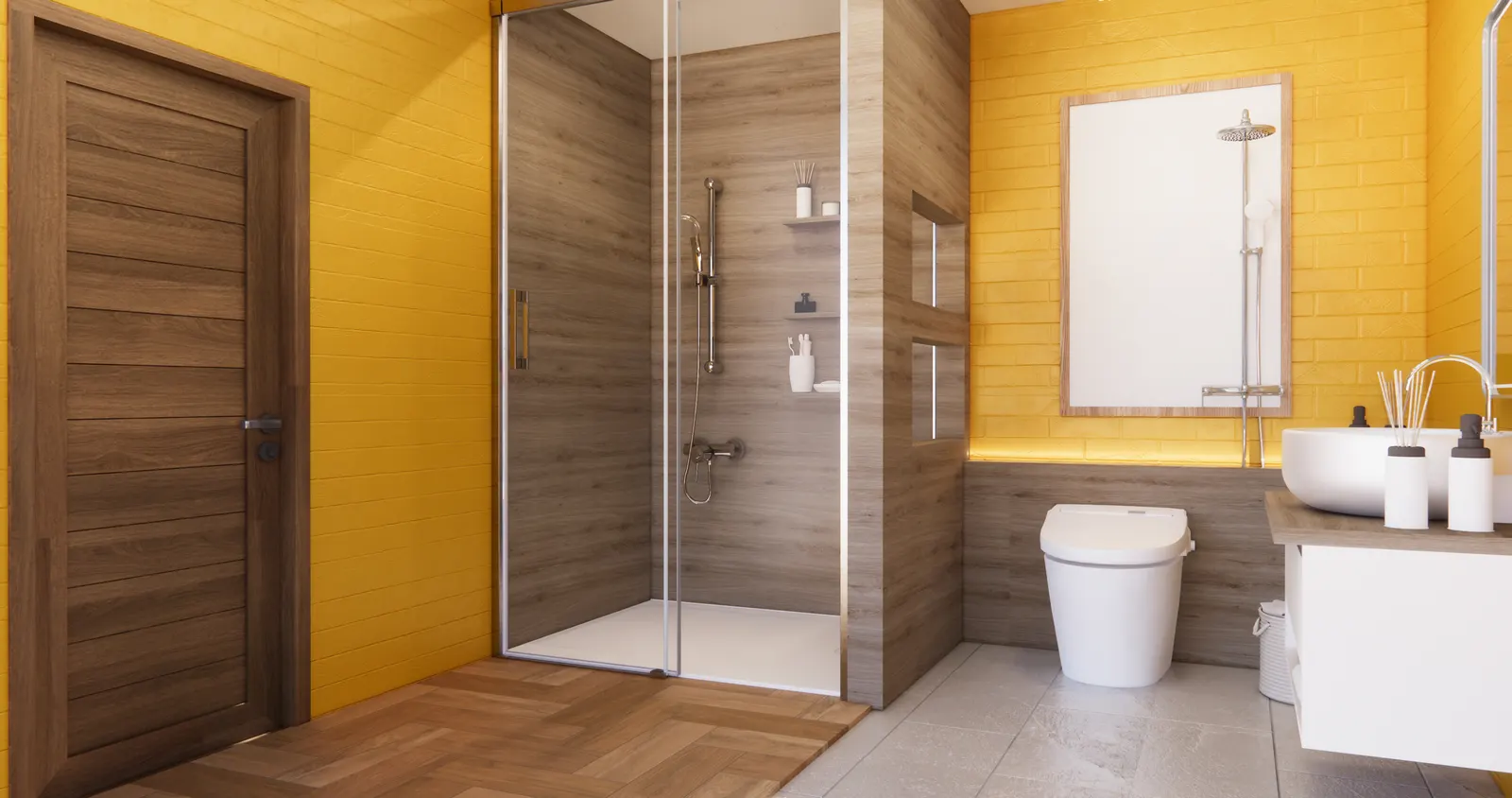 Commercial Shower DoorsDiscuss your commercial project.
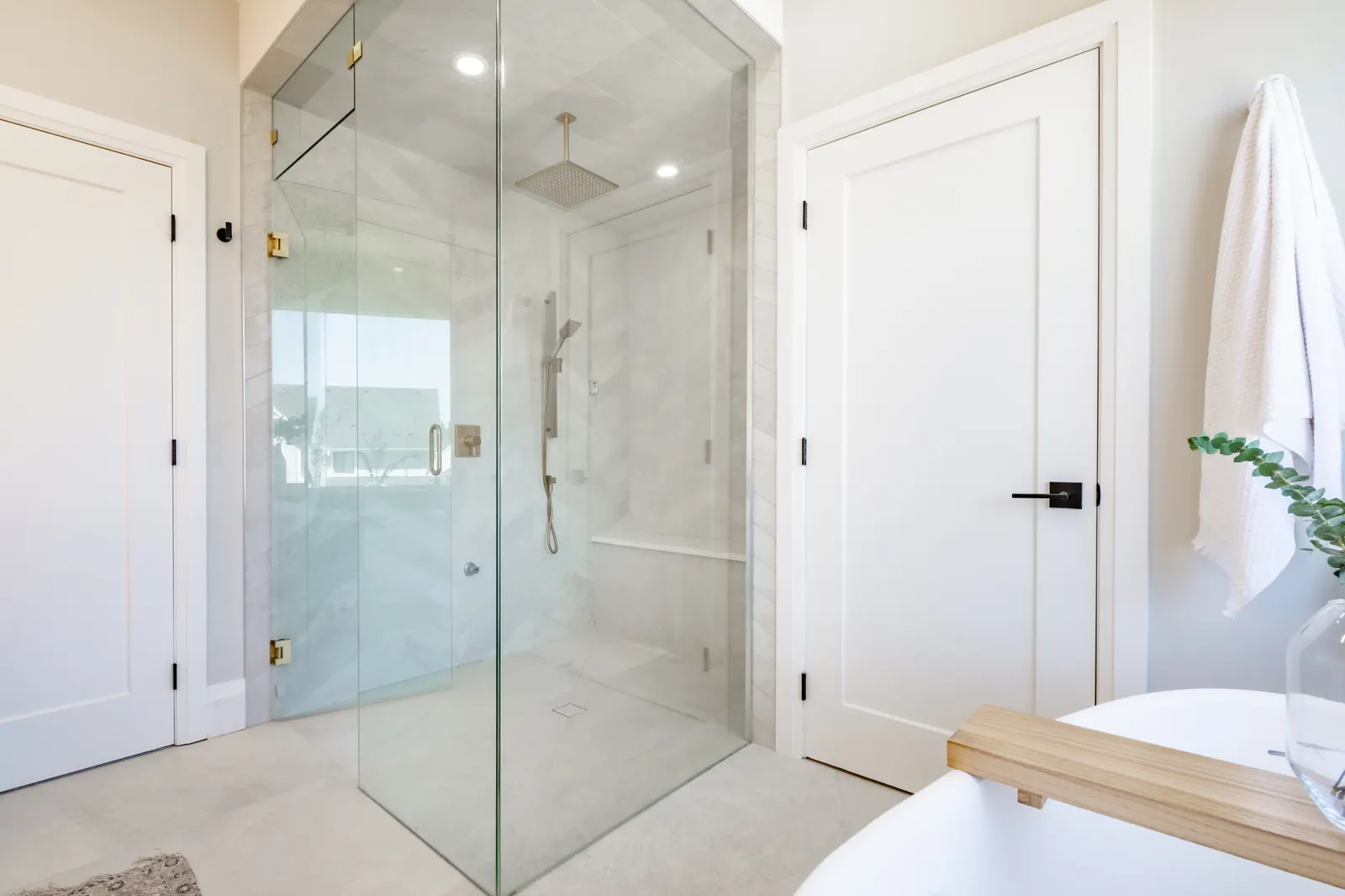 Hotel Shower DoorsPlan glass for guest bathrooms.
 Custom Glass FabricationGet glass made for your space.
 Glass Repair & ReplacementDiscuss damaged interior glass.
 Glass TabletopsProtect your tabletop.
 Glass ShelvesAdd made-to-measure storage.
 Glass BacksplashesGive your wall a glass finish.
 Glass Walls & PartitionsDefine a room with glass.
 Interior Glass DoorsBring light between rooms.
 Commercial Glass PartitionsDiscuss your workspace layout.
 Glass Sneeze GuardsPlan a custom counter barrier.
 Custom MirrorsOrder a mirror to fit.
 Mirror InstallationPlan secure mirror mounting.
 Mirror RepairAsk us to assess the damage.
 Mirror ReplacementRefresh an existing mirror.
 Mirror Re-SilveringDiscuss worn mirror backing.
 Bathroom & Vanity MirrorsFinish your bathroom.
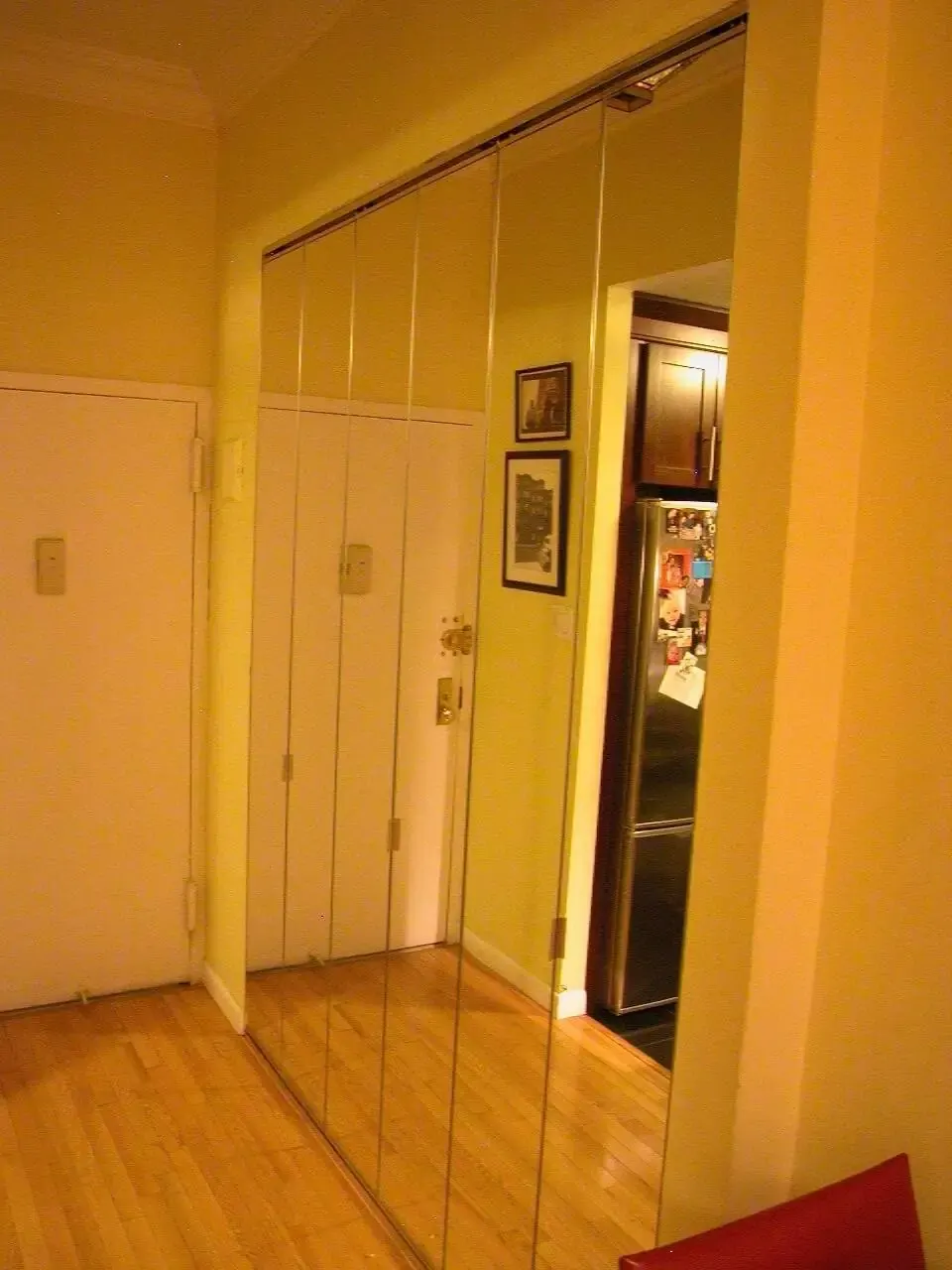 Mirrored Closet DoorsAdd reflection to your closet.
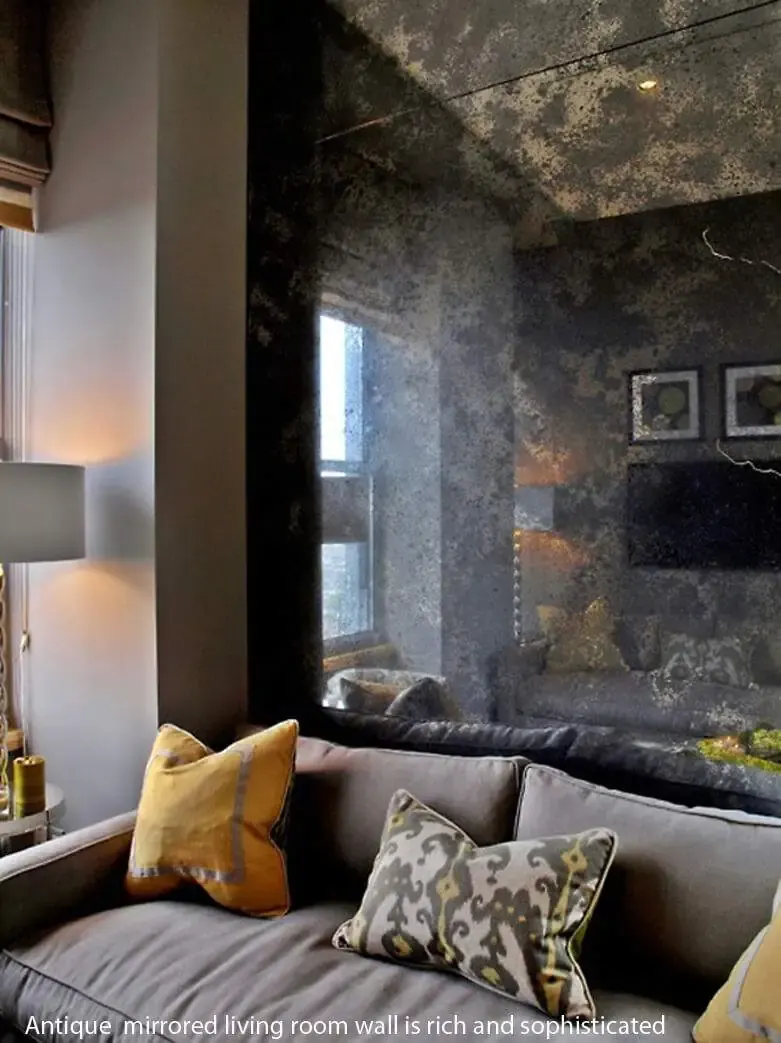 Antique MirrorsExplore an antique finish.
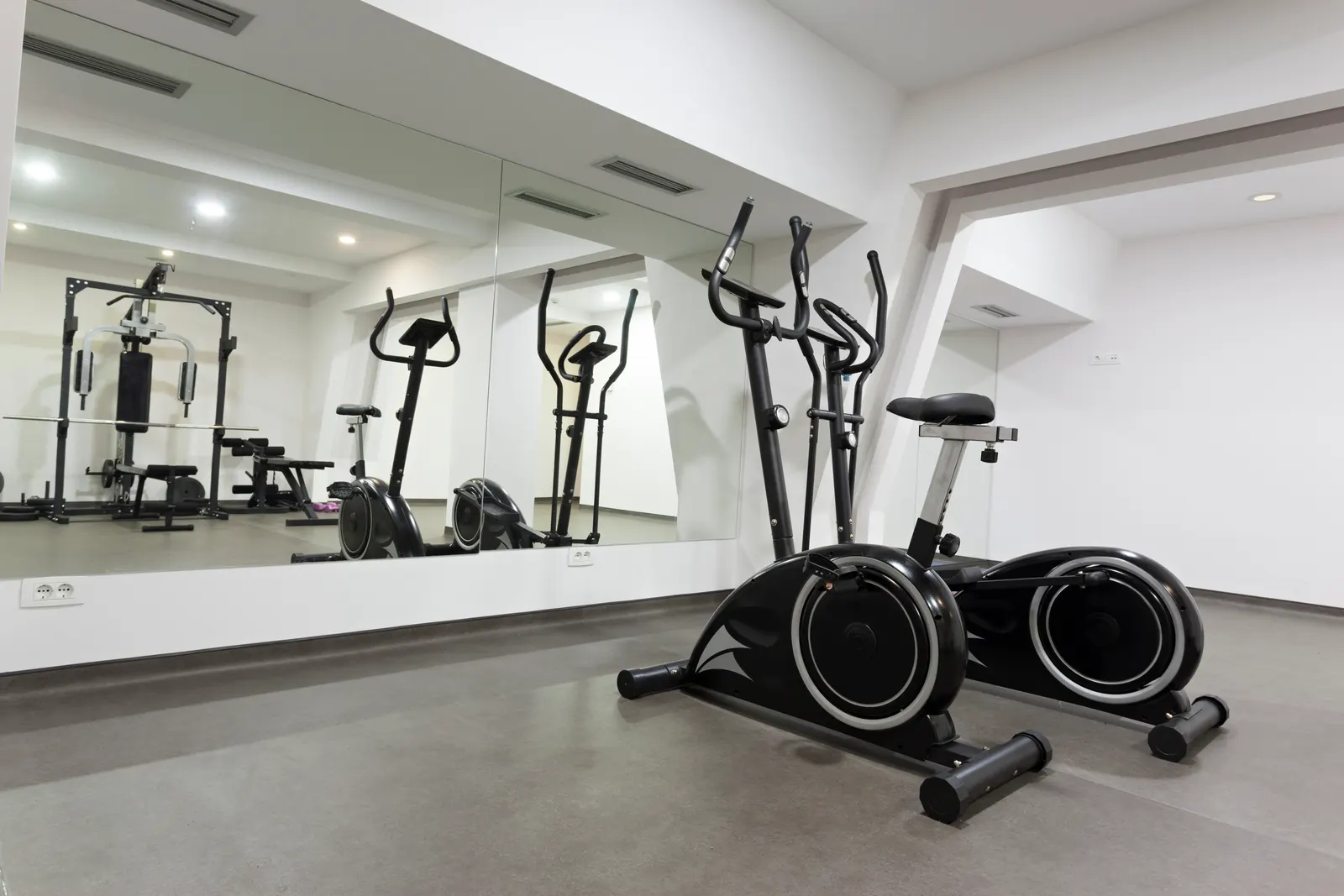 Gym MirrorsPlan your workout wall.
 Dance-Studio MirrorsDesign your studio mirror wall.
Common shower door problems
Problems may come from a worn seal, a loose handle, a door that has shifted, rollers that no longer move smoothly, or a panel that was not fitted correctly. A small amount of water escaping from an opening may call for a different fix than a door that is visibly out of alignment. The source matters: adding more caulk does not correct every leak or movement issue.
Please stop using the enclosure if the glass is cracked, chipped at an edge, or unstable. Do not try to lift a heavy panel or tighten structural hardware without knowing how it is supported. Tell us what you see, when it started, and whether the door is hinged or sliding so we can discuss an appropriate next step.
Symptoms, likely causes, and next steps
The table below links what you notice to the causes we usually check first. It is a starting point, not a diagnosis; the same symptom can have more than one cause.
| What you notice | Common causes | Practical next step |
|---|---|---|
| Water on the floor at the door edge | Worn sweep or seal, door out of alignment, spray aimed at a gap | Note where water escapes and photograph the bottom and latch-side edges |
| Door rubs the curb or a panel | Hinge has shifted, loose fasteners, settling walls | Stop forcing the door and photograph the point where it rubs |
| Door will not stay closed | Hinge or pivot needs adjustment, worn magnetic strip, door out of plumb | Photograph the hinges and the closing edge |
| Sliding door grinds or jumps its track | Worn rollers, debris in the track, bent or loose track | Clean the track gently; do not lift the panel off |
| Handle feels loose | Loosened fastener or worn washer between handle and glass | Avoid overtightening against the glass and describe the handle type |
| Crack, edge chip, or a panel that moves | Impact, edge damage, or failing support | Stop using the shower and contact us |
Your Shower Door Repair project
Get a free shower door repair quote
Tell us about your shower doors, glass, or mirror project. Share a few details and we’ll help you work through the next steps.
Tell us about the space, dimensions, and service you need.
Repair or replace?
Repair can make sense when the glass is intact and the issue is limited to a serviceable component or adjustment. Replacement may be more practical when glass is damaged, parts are no longer available, or the existing system cannot be brought back into reliable operation. We evaluate the condition and the available system before making a recommendation; not every enclosure is repairable.
For a new installation, see shower door replacement or our shower enclosure options. We also explain how framed and frameless doors differ.
| Consideration | Repair assessment | Replacement assessment |
|---|---|---|
| Glass | Intact glass with a serviceable component or alignment issue. | Damaged glass or a system that cannot return to reliable operation. |
| Hardware | Suitable parts remain available for the existing system. | Parts are unavailable or the current system no longer suits the opening. |
| Next step | Describe the fault and share clear photos. | Review the current opening and the reason for changing the enclosure. |
Not every enclosure is repairable. Stop using cracked, chipped, or unstable glass and request an assessment.
How shower door repair works
Repair starts with identifying the door system and the part that has failed. Hardware differs between manufacturers and product lines, so a replacement part has to suit the existing system rather than simply look similar.
- Describe the problem. Tell us the door type, where the issue shows up, and when it started, and include clear photos.
- Initial review. We look at the photos and discuss whether an on-site visit is needed.
- Identify the system. Hinges, rollers, seals, and handles are matched to the existing hardware where compatible parts are available.
- Assess on site if needed. Alignment, supports, seals, and glass edges are checked in person.
- Recommend a path. We explain whether an adjustment, a part, or a replacement is the practical option before work goes ahead.
During an assessment we typically look at:
- The glass surface and edges for chips, cracks, or signs of stress
- Hinges, pivots, clamps, or rollers and how they are fastened
- Seals, sweeps, and magnetic strips along the door edges
- Whether the walls, curb, or tub rim have moved out of plumb or level
- The tile and mounting area around existing anchors
Components that often need attention
Seals and sweeps
Vinyl seals and bottom sweeps wear, harden, or slip out of place over time. A worn seal is a common reason a door starts to drip at one edge, and it is usually among the first things checked on a leaking door.
Hinges and pivots
Swinging doors carry their weight on a few hinge or pivot points, so a small shift can make the door sag, rub, or fail to close. Our page on hinged and pivot shower doors explains how these systems differ.
Rollers and tracks
Sliding doors ride on rollers that can wear, crack, or collect debris. When a door grinds or jumps its track, the rollers and the track itself both need review; see how sliding shower door systems are built.
Handles and fasteners
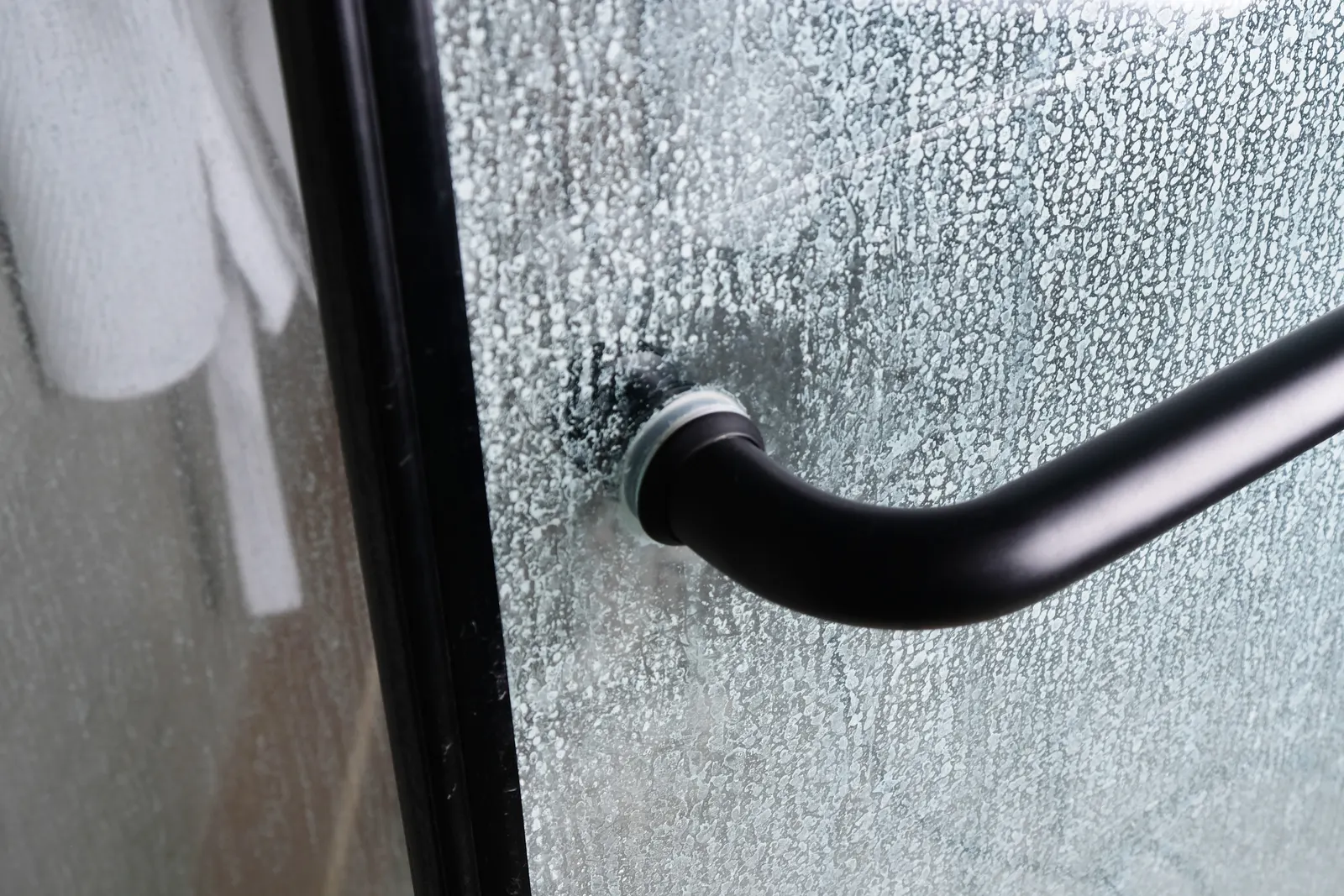
Handles are usually through-bolted to the glass with protective washers. A loose handle should be secured without overtightening, since metal pressing directly on glass can damage the edge of the hole.
Before you call: Avoid adding layers of silicone to stop a leak. Caulk over a gap the door is meant to seal can hide the real cause and make later seal or hardware work harder.
Request a repair review
When you call, share the door type, the location of the problem, and a clear photo if you can. We can discuss whether an on-site look is needed and what information will help us assess the work. We serve Brooklyn customers; availability for a particular repair should be confirmed when you contact us.
If replacement turns out to be the better option, our guide to what affects shower door cost explains how the opening, glass, and hardware shape a new quote.
What to share with your inquiry
- Photos of the shower opening or existing enclosure.
- Approximate dimensions and any nearby fixtures that affect door movement.
- What you want to install, replace, or have assessed for repair.
Completed shower doors & enclosures jobs in Brooklyn.
Shower Door Repair FAQ
Shower door repair questions
Explore the options, price factors, and next steps for your Brooklyn project. For advice about your own space, .
Can every shower door be repaired?
No. Repair depends on the condition of the glass, the hardware system, and whether suitable parts are available. A cracked or unstable panel should not be used. We review the situation before advising whether repair is practical.
Why is my shower door leaking?
Water can escape because of the opening layout, a worn or misplaced seal, door alignment, or how the enclosure is used. The location and pattern of the leak help identify what to check. A photo and description are a useful starting point.
What photos should I send for a shower door repair?
Include the whole enclosure, the affected hinge or roller, and the area where water escapes or the door rubs. Tell us whether the door slides or swings, when the problem started, and the Brooklyn project location. Take photos without moving a damaged or unstable panel.
Does a leaking shower door always need replacement?
No. A worn seal, alignment issue, or serviceable component may be involved, but the opening layout can also affect water containment. The source of the leak and condition of the system need review before a repair or replacement is recommended.
What affects the cost of shower door repair?
The affected components, compatibility and availability of parts, glass condition, and work needed to reach or adjust the system affect the scope. Share the issue and photos first; repair availability and the estimate should be confirmed for the particular door.
Can I keep using a door with chipped or unstable glass?
Stop using an enclosure with cracked, edge-chipped, or unstable glass. Avoid lifting the panel or tightening structural hardware without knowing how it is supported. Describe the condition when you contact us so the next step can be discussed.